
Online Lender Offering “Incredible” Returns to Investors is Recording Massive Losses
March 29, 2019 StreetShares continues to rack up astronomical losses, according to the company’s recently filed unaudited financial statements. The company recorded a $6.4 million loss for the second half of 2018 on only $1.88 million in operating revenue. As in previous periods, payroll continues to be the largest expense.
StreetShares’ funding comes in part from mom & pop investors that are offered a fixed annual return of 5% regardless of how the company’s underlying loans perform. Advertisements on the website call it “incredible” and trumpet that you can “grow your money like a 2x World War champ” and that “your balance will grow every day.” The offering is called a veteran business bond but it has no government backing and can suffer a total risk of loss, all while the underlying loans may not even be made to veteran-owned businesses.
A simple explanation on the site for how it works is that you just open an account, transfer funds from your bank and then just “watch the interest start piling up.” You can withdraw your money anytime but large withdrawals over $50,000 can take up to 30 days to process, the company states. The attractive terms have allowed StreetShares to take in millions of dollars from everyday people with amounts as small as $25.
Institutional investors can earn even higher returns. Lendit Co-founder Peter Renton recently called StreetShares his “top performing investment by a long way,” beating his investments in Lending Club, Prosper, P2Binvestor, Peerstreet, Yieldstreet, Money360, Fundrise, and even the returns previously and erroneously reported by Direct Lending Investments.
AltFinanceDaily previously reported that on January 1st, Jesse Cushman, the company’s Chief Business Officer and Principal Financial & Accounting Officer, resigned. However, his name continues to remain on the website’s Leadership page a full 3 months later. The company still has not named a permanent successor. AltFinanceDaily emailed StreetShares earlier in the week about Cushman’s departure and was told that he left to pursue another opportunity. “Steve Vickrey, has been in place since before he left,” President Mickey Konson responded. Konson has been filling in as acting Principal Accounting Officer in the meantime.
In a press release published by StreetShares on Tuesday about a new credit card offering, StreetShares CEO/co-Founder & Iraq War Veteran Mark L. Rockefeller, said, “Veterans love to help other veterans. StreetShares is a veteran-run company, and the goal of the card is not only to provide a veteran focused payments tool, but also to benefit the veteran community as a whole by funding programs that benefit veteran entrepreneurship.”
The 2018 Top Small Business Funders By Revenue
August 16, 2018The below chart ranks several companies in the non-bank small business financing space by revenue over the last 5 years. The data is primarily drawn from reports submitted to the Inc. 5000 list, public earnings statements, or published media reports. It is not comprehensive. Companies for which no data is publicly available are excluded. Want to add your figures? Email Sean@debanked.com
| Company | 2017 | 2016 | 2015 | 2014 | 2013 |
| Square | $2,214,253,000 | $1,708,721,000 | $1,267,118,000 | $850,192,000 | $552,433,000 |
| OnDeck | $350,950,000 | $291,300,000 | $254,700,000 | $158,100,000 | $65,200,000 |
| Kabbage | $200,000,000+* | $171,784,000 | $97,461,712 | $40,193,000 | |
| Bankers Healthcare Group | $160,300,000 | $93,825,129 | $61,332,289 | ||
| Global Lending Services | $125,700,000 | ||||
| National Funding | $94,500,000 | $75,693,096 | $59,075,878 | $39,048,959 | $26,707,000 |
| Reliant Funding | $55,400,000 | $51,946,000 | $11,294,044 | $9,723,924 | $5,968,009 |
| Fora Financial | $50,800,000 | $41,590,720 | $33,974,000 | $26,932,581 | $18,418,300 |
| Forward Financing | $42,100,000 | $28,305,078 | |||
| SmartBiz Loans | $23,600,000 | ||||
| Expansion Capital Group | $23,400,000 | ||||
| 1st Global Capital | $22,600,000 | ||||
| IOU Financial | $17,415,096 | $17,400,527 | $11,971,148 | $6,160,017 | $4,047,105 |
| Quicksilver Capital | $16,500,000 | ||||
| Channel Partners Capital | $14,500,000 | $2,207,927 | $4,013,608 | $3,673,990 | |
| Wellen Capital | $13,200,000 | $15,984,688 | |||
| Lighter Capital | $11,900,000 | $6,364,417 | $4,364,907 | ||
| Lendr | $11,800,000 | ||||
| United Capital Source | $9,735,350 | $8,465,260 | $3,917,193 | ||
| US Business Funding | $9,100,000 | $5,794,936 | |||
| Fundera | $8,800,000 | ||||
| Nav | $5,900,000 | $2,663,344 | |||
| Fund&Grow | $5,700,000 | $4,082,130 | |||
| Shore Funding Solutions | $4,300,000 | ||||
| StreetShares | $3,701,210 | $647,119 | $239,593 | ||
| FitSmallBusiness.com | $3,000,000 | ||||
| Eagle Business Credit | $2,600,000 | ||||
| Swift Capital | $88,600,000 | $51,400,000 | $27,540,900 | $11,703,500 | |
| Blue Bridge Financial | $6,569,714 | $5,470,564 | |||
| Fast Capital 360 | $6,264,924 | ||||
| Cashbloom | $5,404,123 | $4,804,112 | $3,941,819 | $3,823,893 | |
| Priority Funding Solutions | $2,599,931 |
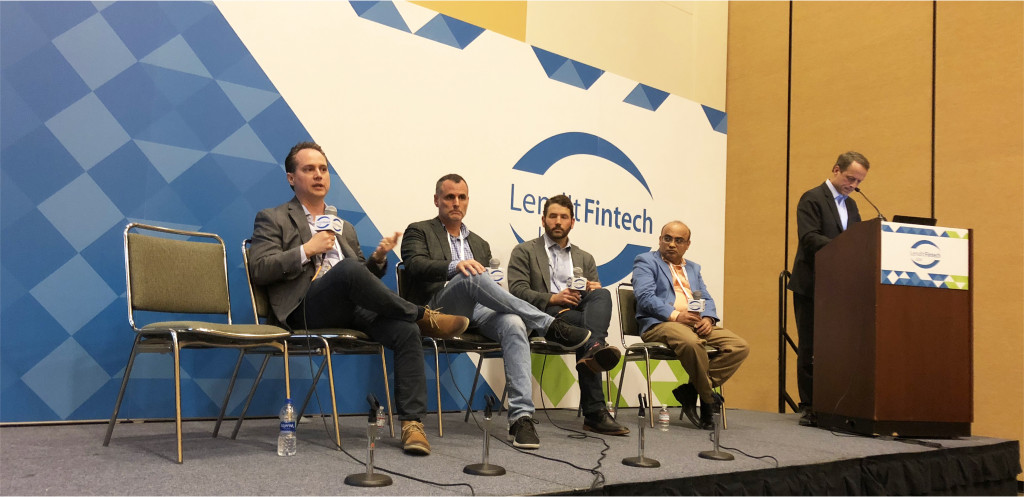
LendItFintech In Photos and Sound Bites
April 10, 2018
when speaking about the increase in mortality rate for people who have faced major financial distress

when interviewed on stage by Bloomberg’s Selina Wang

when interviewed by Jo Ann Barefoot

When asked by Bloomberg Technology reporter Emily Chang if Goldman Sachs would be considered a competitor

when interviewed by Lendio’s Brock Blake
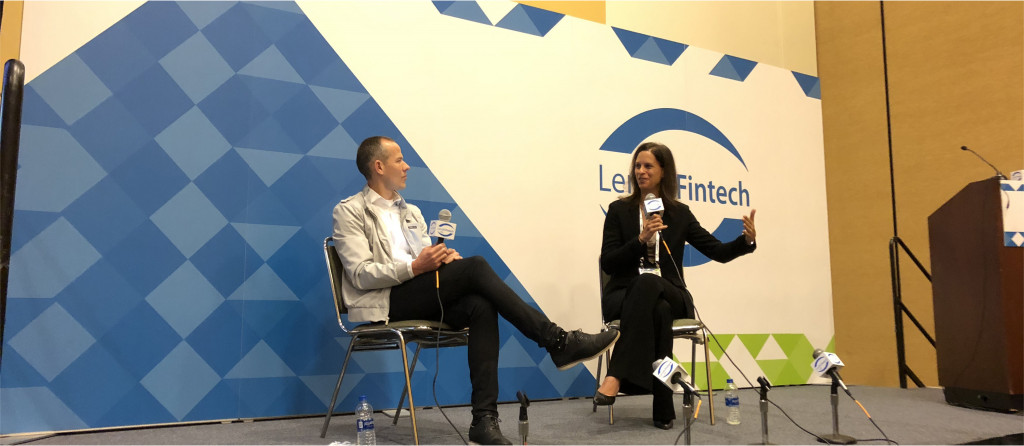
When asked who will win the race for marketshare
When asked if it’s harder to underwrite loans above $50,000

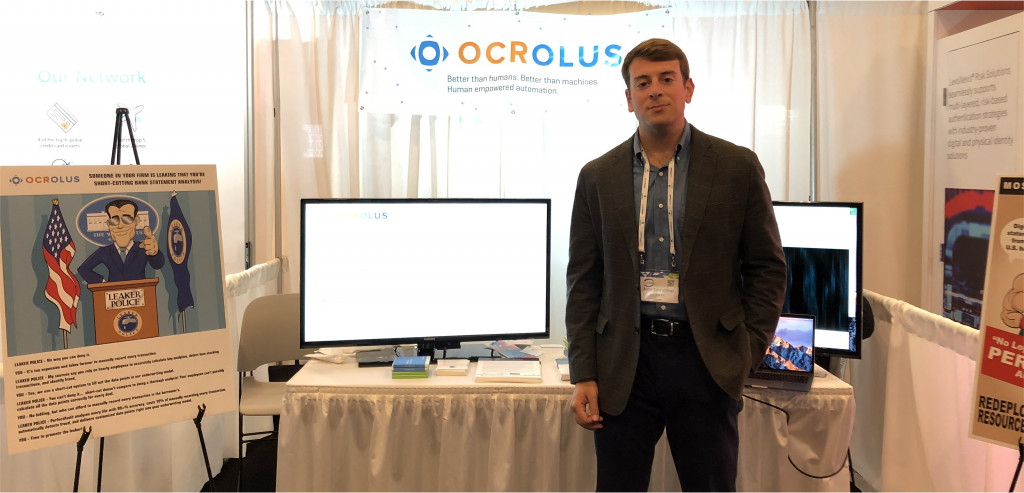
talks business at the company booth

Below: Ocrolus account executive John Lowenthal stands in front of the company booth


Fintech Was Back on Capitol Hill
February 1, 2018A House financial services subcommittee hearing this past Tuesday put fintech and online lending back in the spotlight. The most notable witness that testified was Nat Hoopes, Executive Director of the Marketplace Lending Association (MLA). The MLA represents companies like Lending Club, Prosper, Funding Circle, Avant, Marlette Funding, Affirm, CommonBond, Upstart, PeerStreet, and StreetShares.
Hoopes testified that “this industry is effectively serving the broad American ‘middle class’ that remains our engine for economic growth and prosperity.” He also cited data from dv01. “More than one million unsecured marketplace personal loans were issued last year – with an average loan balance of approximately $14,000 and a term of greater than 4 years – far from being a small dollar, short term loan,” he said. “[Marketplace Lending Platforms] offering consumer loans do so at an average of 14.7% APR and 100% of the loans are below the 36% APR threshold.”
Prof. Adam J. Levitin, a Georgetown University Law Professor, played the role of fintech skeptic and called for state and federal regulation to address what he believed were lingering issues.
“What is new about fintechs is that they are nonbank financial companies with ready ability to acquire consumers because of the Internet,” Levitin testified. “This means that despite the regular use of buzzwords like ‘transformative’ and ‘disruptive’ in discussions about fintechs, there really isn’t anything particularly transformative or disruptive about them.
You can watch a recording of the full hearing below:
Click the links to view the testimonies of the following witnesses
- Mr. Nathaniel Hoopes, Executive Director, Marketplace Lending Association (TTF)
- Mr. Brian Knight, Director, Program on Financial Regulation and Senior Research Fellow, Mercatus Center, George Mason University (TTF)
- Mr. Brian Peters, Executive Director, Financial Innovation Now (TTF)
- Mr. Andrew Smith, Partner, Covington and Burling, LLP (TTF)
- Prof. Adam J. Levitin, Professor of Law, Georgetown University Law Center (TTF)
The Top Small Business Funders By Revenue
October 23, 2017The below chart ranks several companies in the non-bank small business financing space by revenue over the last 5 years. The data is primarily drawn from reports submitted to the Inc. 5000 list, public earnings statements, or published media reports. It is not comprehensive. Companies for which no data is publicly available are excluded.
| Company | 2016 | 2015 | 2014 | 2013 | 2012 |
| Square1 | $1,708,721,000 | $1,267,118,000 | $850,192,000 | $552,433,000 | $203,449,000 |
| OnDeck2 | $291,300,000 | $254,700,000 | $158,100,000 | $65,200,000 | $25,600,000 |
| Kabbage3 | $171,784,000 | $97,461,712 | $40,193,000 | ||
| Swift Capital4 | $88,600,000 | $51,400,000 | $27,540,900 | $11,703,500 | |
| National Funding | $75,693,096 | $59,075,878 | $39,048,959 | $26,707,000 | $18,643,813 |
| Reliant Funding5 | $51,946,472 | $11,294,044 | $9,723,924 | $5,968,009 | $2,096,324 |
| Fora Financial6 | $41,590,720 | $33,974,000 | $26,932,581 | $18,418,300 | |
| Forward Financing | $28,305,078 | ||||
| Gibraltar Business Capital | $15,984,688 | ||||
| Tax Guard | $9,886,365 | $8,197,755 | $5,142,739 | $4,354,787 | |
| United Capital Source | $8,465,260 | $3,917,193 | |||
| Blue Bridge Financial | $6,569,714 | $5,470,564 | |||
| Lighter Capital | $6,364,417 | $4,364,907 | |||
| Fast Capital 360 | $6,264,924 | ||||
| US Business Funding | $5,794,936 | ||||
| Cashbloom | $5,404,123 | $4,804,112 | $3,941,819 | $3,823,893 | $2,555,140 |
| Fund&Grow | $4,082,130 | ||||
| Nav | $2,663,344 | ||||
| Priority Funding Solutions | $2,599,931 | ||||
| StreetShares | $647,119 | $239,593 | |||
| CAN Capital7 | $213,402,616 | $269,852,762 | $215,503,978 | $151,606,959 | |
| Bizfi8 | $79,886,000 | $51,475,000 | $38,715,312 | ||
| Quick Bridge Funding | $48,856,909 | $44,603,626 | |||
| Funding Circle Holdings9 | $39,411,279 | $20,100,000 | $8,100,000 | ||
| Capify10 | $37,860,596 | $41,119,291 | |||
| Credibly11 | $26,265,198 | $14,603,213 | $7,013,359 | ||
| Envision Capital Group | $21,034,113 | $19,432,205 | $12,071,976 | $11,173,853 | |
| Capital Advance Solutions | $4,856,377 | ||||
| Channel Partners Capital | $2,207,927 | $4,013,608 | $3,673,990 | $2,208,488 | |
| Bankers Healthcare Group | $93,825,129 | $61,332,289 | |||
| Strada Capital | $8,765,600 | ||||
| Direct Capital | $432,780,164 | $329,350,716 | |||
| Snap Advances | $21,946,000 | ||||
| American Finance Solutions12 | $5,871,832 | $6,359,078 | |||
| The Business Backer13 | $19,593,171 | $11,205,755 | $9,615,062 |
1Square (SQ) went public in 2015
2OnDeck (ONDK) went public in 2014
3Kabbage received a $1.25B+ private market valuation in August 2017
4Swift Capital was acquired by PayPal (PYPL) in August 2017
5Reliant Funding was acquired by a PE firm in 2014
6Fora Financial was acquired by a PE firm in 2015
7CAN Capital ceased funding operations in December 2016 but resumed in July 2017
8Bizfi wound down in 2017. Credibly secured the servicing rights of their portfolio
9Funding Circle’s primary market is the UK
10Capify’s US operations were wound down in early 2017 and their operations were integrated with Strategic Funding Source. Capify’s international companies are still operating
11Credibly received a significant equity investment from a PE firm in 2015
12American Finance Solutions was acquired by Rapid Capital Funding in 2014, who was then immediately acquired by North American Bancard
13The Business Backer was acquired by Enova (ENVA) in 2015
Catching Up With Online Lending – A Timeline
October 21, 20177/17
- Online lender Upgrade, launched by former Lending Club CEO Renaud Laplanche, revealed it had already hired about 100 people
- Credit risk startup James closed $2.7M funding found led by Gaël de Boissard
7/18 – Former Bizfi COO Tomo Matsuo joined iPayment as an SVP to oversee its new merchant cash advance division
7/21 – SoFi Chief Revenue Officer Michael Tannenbaum departed the company
7/27
- Lending surpassed $500M in lifetime originations
- RealtyShares acquired marketplace platform Acquire Real Estate
7/28
- Former MB Financial Bank SVP Stan Scott became VP at Gibraltar Business Capital
- Prosper Marketplace shut down its Prosper Daily (formerly BillGuard) app
7/31 – First Associates Loan Servicing announced the opening of their new 1000-seat capacity operations center in Baja California, Mexico
8/1
- Ron Suber joined Credible.com as executive vice-chairman and a member of the board of directors
- PeerStreet integrated with Personal Capital
8/2
- Lending Loop raised $2M, launched automated investment platform
- PeerIQ secured $12M in Series A round
- OnDeck partnered with Payment Source in Canada
- Bread raised $126M in equity and debt
8/3 – Kabbage secured $250M in Series F round from SoftBank Group, was valued at more than $1.25B
8/9
- Former Capital One VP Heather Tuason became Chief Product Officer at StreetShares
- PayPal acquired Swift Capital
8/10 – Coinbase raised $100M at $1.6B valuation
8/11 – Former SoFi employee raised Brandon Charles filed a lawsuit against the company alleging among other things that he witnessed sexual harassment in the workplace
8/14
- Prosper closed $500M securitization, announced $775M in Q2 loan originations, $41.4M net loss
- Bitcoin surged past $4,000
8/15 – iPayment announced the formation of its new merchant cash advance division, iPayment Capital
8/16 – Fifth Third Bank made another equity investment in ApplePie Capital, agreed to purchase loans through the company’s marketplace
8/19 – Former CFO of Credibly became president of Western Funding
8/22 – Former SoFi employees filed a lawsuit against the company over wage issues
8/23 – Ellevest raised $32.5M
8/24 – AutoFi raised $10M in Series A
8/25 – Rep. Maxine Waters called for a congressional hearing on SoFi’s bank charter application and ILC charters in general
8/29 – Snap Finance secured $100M credit facility
8/30
- IOU Financial announced Q2 originations of $26.2M (US) and a net loss of $2.08M (CAD)
- ShopKeep launched ShopKeep Capital, a merchant cash advance service
8/31 – Bizfi wound down operations, sold servicing rights to its $250M portfolio to Credibly
9/2 – Bitcoin surpassed $5,000
9/5 – Former Chief Sales Officer of OnDEck, Paul Rosen, joined CoverWallet as COO
9/6 – Square revealed that they would apply for an ILC charter, following in the footsteps of SoFi
9/7
- Former Director of External Sales at OnDeck, Jared Kogan, joined Pearl Capital as Chief Revenue Officer
- First Internet Bank announces strategic partnership with Lendeavor, Inc.
9/11
- SoFi CEO Mike Cagney announced he had resigned as board chairman and would be resigning as CEO later in the year
- Lenda raised $5.25M Series A
9/12
- Groundfloor announced $100M loan purchase agreement with Direct Access Capital
- Orchard unveiled its Deals platform
- JPMorgan CEO Jamie Dimon called Bitcoin a fraud for stupid people
9/13 – dv01 closed $5.5M Series A
9/14 – SmartBiz surpassed $500M in lifetime SBA loan originations
9/15
- Amid more negative press, SoFi CEO Mike Cagney announced he was resigning as CEO immediately
- Enova announced $25M share repurchase program
9/20 – World Business Lenders acquired strategic assets of Bizfi including the company’s brand and marketplace
9/22 – Prosper Marketplace raised $50M in a Series G round at a 70% lower valuation of $550M
See previous timelines:
5/17/17 – 7/11/17
4/6/17 – 5/16/17
2/17/17 – 4/5/17
12/16/16 – 2/16/17
9/27/16 – 12/16/16
The Top Small Business Funders By Revenue
September 14, 2017Thanks to the Inc 5000 list on private companies and earnings statements from public companies, we’ve been able to compile rankings of alternative small business financing companies by revenue. Companies that haven’t published their figures are not ranked.
| SMB Funding Company | 2016 Revenue | 2015 Revenue | Notes |
| Square | $1,700,000,000 | $1,267,000,000 | Went public November 2015 |
| OnDeck | $291,300,000 | $254,700,000 | Went public December 2014 |
| Kabbage | $171,800,000 | $97,500,000 | Received $1.25B+ valuation in Aug 2017 |
| Swift Capital | $88,600,000 | $51,400,000 | Acquired by PayPal in Aug 2017 |
| National Funding | $75,700,000 | $59,100,000 | |
| Reliant Funding | $51,900,000 | $11,300,000 | Acquired by PE firm in 2014 |
| Fora Financial | $41,600,000 | $34,000,000 | Acquired by PE firm in October 2015 |
| Forward Financing | $28,300,000 | ||
| IOU Financial | $17,400,000 | $12,000,000 | Went public through reverse merger in 2011 |
| Gibraltar Business Capital | $16,000,000 | ||
| United Capital Source | $8,500,000 | ||
| SnapCap | $7,700,000 | ||
| Lighter Capital | $6,400,000 | $4,400,000 | |
| Fast Capital 360 | $6,300,000 | ||
| US Business Funding | $5,800,000 | ||
| Cashbloom | $5,400,000 | $4,800,000 | |
| Fund&Grow | $4,100,000 | ||
| Priority Funding Solutions | $2,600,000 | ||
| StreetShares | $647,119 | $239,593 |
Companies who were published in the 2016 Inc 5000 list but not the 2017 list:
| Company | 2015 Revenue | Notes |
| CAN Capital | $213,400,000 | Ceased funding operations in December 2016, resumed July 2017 |
| Bizfi | $79,000,000 | Wound down |
| Quick Bridge Funding | $48,900,000 | |
| Capify | $37,900,000 | Wound down |
The ‘Loan’ Star State – Texas is an alternative finance nexus
June 15, 2017
We’re at Able Lending in Austin, Texas, a financial technology company occupying three floors deep in the heart of the Seaholm power plant overlooking Lady Bird Lake. The fortress-like building anchors an inner-city complex of offices and residences, chic restaurants, boutique shops, and a Trader Joe’s.
Once the main source of electricity for Texas’s capital city, the natural gas-fired boilers have given way to a warren of glassed-in offices and meeting rooms connected by angular metallic stairways and a carpeted mezzanine.
It is here, in a tiny conference room, that Will Davis, a slim man of 35 and an alumnus of Harvard Business School, is drawing a bell curve on a whiteboard. Dressed for the balmy Texas weather in tan Bermuda shorts, a black tee-shirt and Nike running shoes, the company’s chief executive and co-founder is explaining how Able’s friends-and-family lending formula “widens” the risk curve.
“We all compete here in this box on price,” Davis says, drawing a square at the topmost point of the bell curve, indicating where the near-prime borrowers abide and where lenders are crowded in pursuit. But when loans from friends and family form 10%-15% of the total loan, he says, drawing squiggly lines just to the left of the box, a cohort with less-than-stellar credits now becomes credit-worthy.
Because of the “peer pressure” and “behavioral change” exerted by the involvement of family and friends, the formula produces a “positive-selection effect on the loan portfolio” Davis says, declaring: “We can serve more of the market.”
It all sounds very business-schoolish. But here’s the bottom line: Able’s lending model sharply reduces both risk and borrowing costs, allowing it to go head-to-head with national rivals like Funding Circle, Bond Street, OnDeck and StreetShares. Thanks in large part to its reduced risk, asserts Able’s director of development, 30-year-old Matt Irving, the Austin fintech can lend twice as much money as its competitors at half the interest rate.
Since opening its doors and firing up its computers in the fourth quarter of 2014, Able’s average loan size has climbed to $231,200 from $100,000. Of that, an average of 3.2 “backers” have accounted for $40,691, or 17.6% of the average total loan amount. The average “blended” annual percentage rate is 16.41%.

Meanwhile, Able, which has made some $48 million in loans to entrepreneurs through the end of April, 2017, reports CEO Davis, is itself on sound financial footing. According to the data-services firm Crunchbase, Able has raised $12.5 million in three rounds of venture capital financing from 21 investors. Principal equity financiers are Peter Thiel’s Founders Fund, Peterson Ventures, RPM Ventures, and Blumberg Capital. On Sept. 27, 2016, moreover, Able added another $100 million to its arsenal in debt financing from Community Investment Management, a San Francisco investment firm. Borrowers include owners of food trucks and apparel shops; professionals including doctors, dentists, veterinarians, and accountants; “creatives” like public relations and advertising firms; and construction companies. Since its inception, Davis says, just one borrower has defaulted, resulting in an $85,000 charge-off.
So far in 2017, the company has lent out nearly $15 million in the first quarter, but it’s on track to make $80 million this year. “We’re ramping up,” Davis declares.
Welcome to fintech in the Lone Star State. While everything may be bigger in Texas, as the saying goes, that’s not quite true of financial technology. The geographic contours of fintech operations are roughly 60% in California (especially Silicon Valley/San Francisco), 30% New York, and 10% scattered about the rest of the country, says 40-year-old Mihir Korke, the San Francisco-based chief marketing officer at Able.
Nonetheless, Texas offers fertile ground for the burgeoning fintech industry. The vaunted Texas business climate promises a relaxed regulatory regime, the absence of either a personal or corporate income tax, and a lower cost of living. All of which were cited by Able Lending, as well as an additional pair of fintech companies that specialize in factoring and merchant cash advances: Jet Capital, located in North Richland Hills in the Dallas-Fort Worth “metroplex”; and Ironwood Finance in Corpus Christi, a port city on the Gulf of Mexico.
“What’s interesting about fintech companies is that they can choose to locate where they want to do business,” says Erin Fonte, an attorney at Dykema Cox Smith in Austin whose legal practice includes mobile payments, mobile wallets and financial technology. “They don’t necessarily get a regulatory advantage because much of what they do is based on their customers’ location,” says Fonte, who is currently serving as a member of the Federal Reserve’s Faster Payments Taskforce. “That said,” she adds, “some companies have chosen to locate in Texas because of the labor and talent pool, because it’s a good source of venture capital, and it’s more affordable.”

Jet Capital’s 42-year-old chief executive, Kenneth Wardle, confirms many of Fonte’s observations. “So far, Texas has been friendly to MCA companies,” he says, using the initials for “merchant cash advance.” Especially favorable to his industry is the fact that “Texas regulators do not define an MCA as a loan,” he adds.
Prior to co-founding Jet Capital with chief operating officer Allan Thompson, 49, Wardle served as a portfolio manager at Exeter Finance Corp, a $3 billion company in nearby Irving which specializes in subprime auto financing. Wardle has also held leadership positions at AmeriCredit Corp., now GM Financial, and Drive Financial, now Santander Consumer USA.
His 20-year background has included the gritty work of repossessing cars when owners fell into arrears on their auto loans. “Most of my career in auto finance was in risk management and I’ve driven a repo truck,” he says. “You take off with the car right away and then chain it down after you’ve gone a couple of blocks so you don’t lose it out on the highway.”
Backed by more than $5 million in equity financing from a family office in Puerto Rico, Jet Capital makes cash advances of $25,000-$30,000, on average, for working capital.
The sweet spot for Jet’s financings are retail establishments, trucking companies, hair-and-nail spas, and medical doctors. Doctors in particular are prime candidates for a Jet cash advance. “They have a pretty good gap between when they perform services and when they get paid by insurance companies” during which they have to cover payroll expenses and overhead, Wardle notes. Prospecting for customers is done largely through independent sales offices, direct mail, and pay-per-click services offered by Google, among additional online channels.
“Our defaults are relatively in line with expectations” and were largely confined to the first year of business, Wardle says. “We made some underwriting and verification changes last September and October,” he adds, “and we changed our minimum credit scores. Since then we’ve seen defaults migrate in the right direction.”
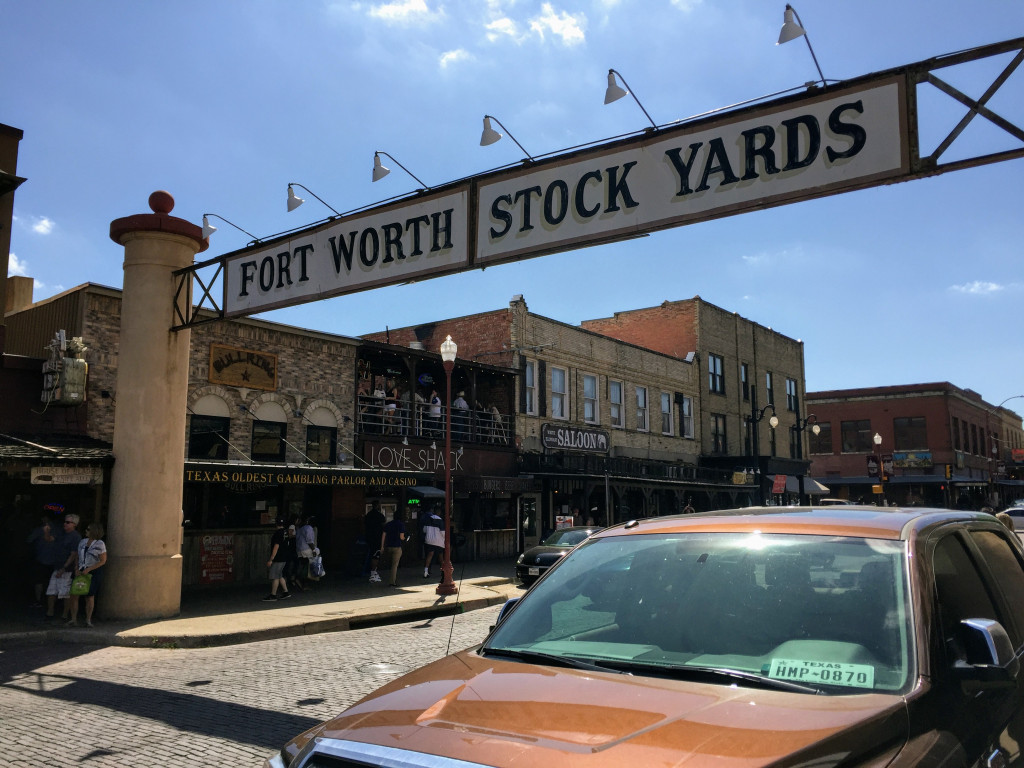 Since Wardle and Thompson took occupancy of an empty office outside Fort Worth in October, 2015, Jet has grown to 12 employees who today have “a variety of roles” says Thompson, citing sales, underwriting, customer service, collections, analytics, and information technology. “They wear a lot of hats and there’s a lot of cross pollination,” he says.
Looking ahead, Wardle foresees Jet expanding its product line beyond merchant cash advances to offer lines of credit and installment loans. “Our goal is to be a one-stop, nonbank financing solution,” Wardle says.
Kevin Donahue, 37, owner of Ironwood bootstrapped the South Texas company, which opened in 2013 using personal savings of $1.5 million remaining from the sale of mobile home parks in South Dakota and Texas. He also plowed earnings into Ironwood from a subsequent job as a commercial loan broker.
Donahue, who grew up in a family of fishermen on the Oregon and California coasts and is a 2006 graduate of California Polytechnic State University at San Luis Obispo, says that he turn up in Corpus Christi somewhat by accident. While operating the mobile home park in nearby Kingsville, he got married, started a family, and put down roots.
With 20 employees, Ironwood focuses on providing merchants cash advances in the $5,000 – $50,000 range, Donahue says, “but we can go up to $1 million.” The average cash advance – usually $10,000-$15,000 – is put to use as working capital by what he dubs “Main Street” businesses: restaurants, boutiques, trucking and transportation companies, professionals, and contractors. Ironwood charges clients factoring fees that are collected via ACH.
“Many times (these businesses) don’t qualify for bank loans,” Donahue says. And even when they do qualify, he notes, “banks take forever – up to three months – while we’re using our own money and can do it in three days. We’re very low on requiring a lot of documents.”
For his part, Donahue wants to see a customer’s bank statements, a photo I.D., voided checks, and a financial report. But, he says: “Cash flow is much more important than financials.”
Clients typically find their way to Ironwood through the website, although they often arrive through referrals from brokers and real estate agents, attorneys, accountants and “anyone doing commercial lending,” he says. Donahue says he closed down a call center. “The way to get leads is more through relationships than marketing,” he says.
Trucking companies are important customers. “They work on thinner margins, the barriers to entry are lower, sometimes their customers don’t pay their bills,” Donahue says of the industry’s economics. “They have huge expenses for fuel, payroll, insurance – and they might not get paid (by their customers) for 30 days or more.”
Ironwood’s advance for a million dollars, cited earlier, was made to a trucking company in Midland, Texas, which hauled both general freight and oilfield equipment. The money was put to use both to smooth out cash flow and as growth capital. The trucking concern “used part of that for expansion, making down-payments with Volvo or Peterbilt,” Donahue recalls.
Backstopped by the titles for 18 trucks valued at roughly $1.5 million, the deal was structured as a three-year, sale-leaseback agreement with “no interest” but rather a fee, Donahue says. Payments were $32,000 monthly, he says, amounting to $152,000 above the advance.
Donahue has no trouble justifying the steep fee schedules. Not only does he release money quickly but in many instances Ironwood has stepped in to bail out businesses that could have gone belly-up. He cites a trucker in the Midwest who had a “very lucrative” business hauling Boeing jet engines worth $30 million to Seattle where they could be worked on and returned to the planes for installment. In order to fulfill the contracts – which earned the hauler $25,000 monthly — the trucking company’s owner needed to purchase pricey insurance.
The owner, however, “had horrible credit,” Donahue says, largely the result of cash flow problems after investing in a special trailer for the jet engines, compounded by a messy divorce. To secure the $10,000 for the special insurance, the trucker sold Ironwood $14,000 of their future receivables. “For his investment of $4,000 he’s making $25,000-a-month forever,” Donahue explains.
Back in Austin, Able is gearing up for another round of capital-raising to bulk up staff and, according to Korke, win licensing to do business in California. At the same time, its friends-and-family credit structure is winning kudos for reaching what researcher David O’Connell calls “the unloaned.”
 A senior analyst at Aite Group, a Boston-based consulting firm, O’Connell recently completed a study disclosing that 35% of small and medium-sized businesses in the U.S were unable to obtain credit over a recent two-year period. Able’s lending model is “a good example of using covenants to structure a deal that brings down borrowing risk,” the Bostonian says. “It’s terrific.”
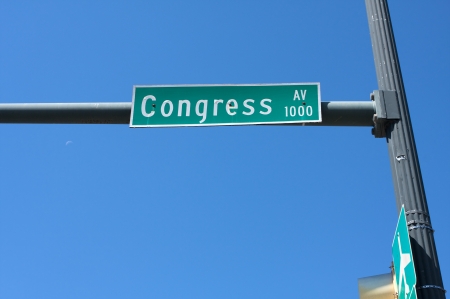
Able’s staff doesn’t have to travel far to witness the fruits of their efforts. On Congress Avenue, in the heart of downtown Austin, is Jae Kim’s food truck offering Korean barbecue thanks to a $100,000-plus loan from the fintech lender. Kim, the founder and chief executive at food vendor Chi’lantro, enlisted his mother to pitch in $10,000. All told, family and friends ponied up 30% of the total loan.
In the three years since he hooked up with Able, Kim has gone on to bigger things, including a television appearance last November on Shark Tank that netted him $600,000 from celebrity investor Barbara Corcoran.
Chi’lantro is now operating five restaurants and four food trucks and as Kim disclosed on Shark Tank, annual sales topped $4.7 million last year.
Able Funds Chi'Lantro from Able Lending on Vimeo.
In an interview, he told AltFinanceDaily that he counts himself fortunate to have gotten the Able “micro-loan.” It played a key role in generating the cash flow that qualified his company for a $200,000 bank loan backed by the Small Business Administration. “It was one of many opportunities, and now we have good relationships with banks,” he says.
And then, a little farther south, there’s Stephanie Beard’s “esby apparel,” a women’s clothing boutique named for her initials. Beard, 35, came to Austin in 2013 after a decade in New York designing men’s clothing at Tommy Hilfiger and Converse. Originally from North Carolina and a graduate of Appalachian State University, she had zero connections in Texas and only a little money.
But she had a big vision: She would open a store and design and sell top-quality, flattering clothes for women that had “a menswear mentality.” Men, she had discovered, buy fewer clothes than women. But men tend to buy clothes that are durable, clothes that they can wear again-and-again over many years. After she sold $65,000 worth of her casual clothing line on the website Kickstarter, Beard developed a fan base and was put in touch with Able. “Actually, they contacted me,” she says.
To qualify as an Able borrower, Beard assembled $20,000 from friends and family, she reports, including $2,500 from her future mother-in-law, another $2,500 from the proprietor of a dress shop that “wholesaled” her collection, and the rest from aficionados of her wares. Once that money was gathered, Able lent her $100,000 at a 10% APR in October, 2014, which enabled her to open her shop. The combined interest rate was 9.8%. Monthly payments have automatically been withdrawn from her business’s checking account.
She’s scheduled to repay both Able and her backers in full by this October. Total sales for the shop have cleared $1 million and Beard expects annual revenues for 2017 to hit $900,000. “A lawyer friend who helped me out with the paperwork pro bono told me that Able was practically giving money away,” she says. “I definitely was lucky.”