Business Lending
Small Business Funders Court Florists Before Valentine’s Day
February 14, 2019 Earlier this month, LendingTree published results from a survey they conducted about consumer spending on Valentine’s Day.
The main takeaway is that men are planning to spend almost two and a half times more than what their significant others (of either gender) expect them to spend. So there might be some nice surprises today! On average, according to this survey, men plan to spend $95 today for their significant others, while women plan to spend $41. Also according to this survey, those who are engaged plan to spend $92 on their significant other, people in the dating stage of relationships plan to spend $88, and married people plan on spending $57. (The average for men is increased by spending based on generation.)
Regardless, Director of Personal Loans at LendingTree, Michael Funderburk, said that these amorous expenses are typically not large enough to show any spike in consumer borrowing. Small business borrowing, however, is a different story. As might be expected, there is a noticeable spike in borrowing from florists, among other small businesses that cater to the holiday.
Chad Otar, CEO of New York-based Excel Capital, a small business funder, said that they always fund more florists, chocolate shops and gift shops leading up to Valentine’s Day because these merchants need additional money to buy more inventory. Excel’s team of a little under 20 includes an in-house sales team that Otar said markets to these kinds of businesses in the weeks before Valentine’s Day.
The larger Reliant Funding, which has a sales team of about 100 people, makes an active marketing push before Valentine’s Day to reach more than 13,000 U.S. florists in its database, according to its Chief Marketing Officer Steve Kietz.
“Our business with these firms increases before Valentine’s Day and Mother’s Day,” Kietz said. “We see lots of repeat business from those firms as they stock up for peak season. [And] we increase our mail and digital marketing activities to sync with when florists will be most responsive.”
Houston-based Accord Funding, doesn’t have an in-house sales team. Still, its CEO, Adam Beebe, said that while they don’t track submissions by merchant category, they do underwrite florists with seasonality in mind.
Shopify is Quickly Climbing the Ranks of the Largest Small Business Funders
February 12, 2019Shopify originated $277 million in merchant cash advances in 2018, according to their quarterly earnings reports. That figure already places them among the largest small business funding providers nationwide.
Below is a look of how they stack up thus far:
| Company Name | 2018 Originations | 2017 | 2016 | 2015 | 2014 | |
| OnDeck | $2,484,000,000 | $2,114,663,000 | $2,400,000,000 | $1,900,000,000 | $1,200,000,000 | |
| Kabbage | $2,000,000,000 | $1,500,000,000 | $1,220,000,000 | $900,000,000 | $350,000,000 | |
| Square Capital | $1,600,000,000 | $1,177,000,000 | $798,000,000 | $400,000,000 | $100,000,000 | |
| Funding Circle (USA only) | $500,000,000 | |||||
| BlueVine | $500,000,000* | $200,000,000* | ||||
| National Funding | $427,000,000 | $350,000,000 | $293,000,000 | |||
| Kapitus | $393,000,000 | $375,000,000 | $375,000,000 | $280,000,000 | ||
| BFS Capital | $300,000,000 | $300,000,000 | ||||
| RapidFinance | $260,000,000 | $280,000,000 | $195,000,000 | |||
| Credibly | $180,000,000 | $150,000,000 | $95,000,000 | $55,000,000 | ||
| Shopify | $277,100,000 | $140,000,000 | ||||
| Forward Financing | $125,000,000 | |||||
| IOU Financial | $91,300,000 | $107,600,000 | $146,400,000 | $100,000,000 | ||
| Yalber | $65,000,000 |
*Asterisks signify that the figure is the editor’s estimate
With Interest Rates Up, OnDeck’s Cost of Funds Comes Way Down
February 12, 2019 OnDeck’s cost of funds dropped significantly in 2018, according to their last quarterly report. The rate was 5.6% in Q4, compared to the 6.8% it started off at in Q1.
During the earnings call, OnDeck CEO Noah Breslow said, “We improved the terms and structures of our credit facilities and increased the number and quality of our funding providers, adding new banks and life insurance companies.”
That’s all before OnDeck even closed on an $85 million revolving credit facility with a lender group consisting of four banks earlier this month. The rate on that came in at 1 month LIBOR (currently around 2.5%) + 3.00%.
OnDeck’s loan yield in Q4 was the highest its been in the last 2 years at 36.6%.
The company enjoyed record earnings for Q4 2018 ($14 million) and full year 2018 ($27.7 million). They also had record origination volume of $658 million, a 2% increase from Q3 and a 21% increase from Q4 2017. Their sales and marketing expense for acquiring new customers remained flat compared to last quarter.
Why the Human Connection is Still Important in Debt Recovery
February 10, 2019 The CEOs and lawyers for debt recovery companies, particularly those in the commercial space, say that speaking to merchants over the phone is the best way to collect money for their clients. At New York-based Empire Recovery, Managing Attorney Steven Zakharyayev told AltFinanceDaily that they call this “soft collection.”
“Soft collection is probably the most effective way of collecting,” Zakharyayev said. “You can tie up [the merchant’s] business and freeze their accounts. That’ll bring them to the table. But the human interaction – negotiating with them – that’s where the deals are made and that’s how these accounts are ultimately repaid.”
Most of of the debt collection companies we spoke to have an in-house lawyer that can file a lawsuit against the merchant while also using “soft collection” to get to a settlement. But Dedicated Commercial Recovery, a Minnesota-based recovery firm led by Shawn Smith, who is not an attorney, sees itself as the step before attorneys get involved.
“We use a rapport-based collections approach,” Smith said. “We try to get to the real reasons why the customers are ignoring our client and come up with a viable solution for repayment.”
Merchants in default are usually not doing very well if they’re on a collections list.
“These [merchants] get pretty beat up by the time they get to us, so the more you can connect with [them] on a personal level, the better.”
Doug Robinson, the attorney at New York-based RTR Recovery, echoed this.
“There’s a story behind every default,” Robinson said. “Most of the merchants want to pay, so they appreciate someone reaching out and saying ‘What’s the matter?’”
Robinson said that he personally calls and emails every merchant and that they have a pretty high response rate with this simple technique. He said that the voicemails of the merchants are often full, but that they will usually respond to his email, where he explains that ignoring him will only escalate the problem.
If the merchant responds and engages with him, Robinson said he can create a payment plan with them, together with his client, that can reduce the merchant’s payments, stop payments temporarily, or change payments from daily to weekly.
Meanwhile, Houston, Texas-based AMA Recovery is often brought on after a collections agency has already unsuccessfully tried to get a merchant to pay. AMA Recovery’s Vice President of Legal Operations Kimberly Raphaeli said that a demand letter is always sent to the merchant, in addition to the use of secret shoppers or contacting neighboring stores to determine if a store is really out of business if the merchant says it is.
Even with these more aggressive tactics, Raphaeli said that calling is still critical. She said that they will move files around the office, noting that merchants respond differently to different personality types. Raphaeli said that by the time a file gets to AMA Recovery, the majority of the merchants have simply decided to stop paying and about 30% are legitimately no longer in business.
Having a merchant go out of business is never a good outcome for a collector.
“You want to keep them in business,” Zakharyayev said. “[…] You want to make a relationship with them where you leave them enough to stay in business but you collect enough that your client is satisfied and they get paid in full.”
While these collection companies all agreed that communicating – one human being to another – is the best way to approach recovery, that doesn’t mean that technology is thrown out the window. None of the companies AltFinanceDaily spoke to said they use autodialing, but Smith said he uses texting and email technology to make contacting merchants more efficient.
Mark LeFevre, CEO of Kearns, Brinen & Monaghan, a collections firm with offices in Delaware and South Carolina, agreed that technology makes the collections process more efficient.
“It’s important that you combine technology with the [human touch] to be most effective,” LeFevre said. “The technology will allow us to get the client to show what we can do, how we do it and so forth. But once that relationship is gained…we must talk with their customers.”
SBA Processes Significant Loan Volume in Days After the Shutdown
February 4, 2019 After the longest partial government shutdown in U.S. history, which shuttered the Small Business Administration (SBA) for more than a month, SBA employees went back to work on Monday, January 28. At the end of the day on January 29, the SBA had processed 1,100 SBA 7(a) loans worth $500 million, according to Bailey Wolff, Public Affairs Specialist for the SBA’s New York District Office. For context, in all of 2018, the SBA processed $25.4 billion in SBA 7(a) loans.
“It’s a great number,” Wolff said. “We’re back up and fully operational.”
SBA loan funders and brokers have feared that the backlog of SBA loan applications created by a month-long closure of the government agency would cause extensive delays. But it seems that the SBA is processing these loans quite quickly.
“There is a backlog, but applications seem to be moving smoothly,” said Everett Sands, CEO of Lendistry which funds a sizable amount of SBA loans.
Sands now has seven SBA loan applications waiting to get funded. So far, since the SBA re-opened on January 28, none of his applications have been funded yet. (Normally, it takes 1-2 days for his SBA loans to be approved). But Sands said that last week was essentially catch-up week for the agency. If the volume of loans processed from January 28 through January 29 continues at this pace, delays will be minimal.
“We should be back on track this week,” Sands said.
Top Accounting Officer at StreetShares Resigns
January 31, 2019Jesse Cushman, who served as StreetShares’ Chief Business Officer and Principal Financial & Accounting Officer, has resigned, according to a Form 1-U filed with the SEC this week. His exit was made effective as of January 1, 2019.
StreetShares president Michael Konson is currently filling the role in an interim capacity until a permanent successor can be named.
StreetShares’ financials have left something to be desired. The company recently reported a 12-month net loss of $6.5 million on only $3 million in revenue.
Fundbox Increases Speed of B2B Transactions
January 29, 2019 Prashant Fuloria, COO, Fundbox
At the end of last week, Fundbox announced that it has launched an AI-enabled platform for B2B companies at the point of transaction, or check out.
“We’re positioning ourselves to be the PayPal for B2B transactions,” a company spokesperson, Tim Donovan, told AltFinanceDaily. “And that means becoming as ubiquitous as finding Visa, Amex or PayPal in a B2C checkout flow.”
As part of this new e-commerce feature, Fundox can underwrite companies looking to make a purchase in as fast as 45 seconds, Donovan said. And sellers get paid right away. This, of course, is a boon for sellers, who often must wait to get paid. (Fundbox takes on the risk of potentially not getting paid.) For buyers, Fundbox’s terms are generally better compared to using a credit card, Donovan said. As long as the buyer’s credit is approved, they can purchase inventory on an online platform within 3 minutes.
“This [new feature] marks our evolution from a product-centric company to a platform-centric company,” said Prashant Fuloria, COO of Fundbox.
Fundbox offers a number of small business products including small business loans, factoring and lines of credit. Fundbox is partnered with larger companies like Eventbrite, for event organizing, and QuickBooks, for accounting, to help lend to small businesses that use these platforms.
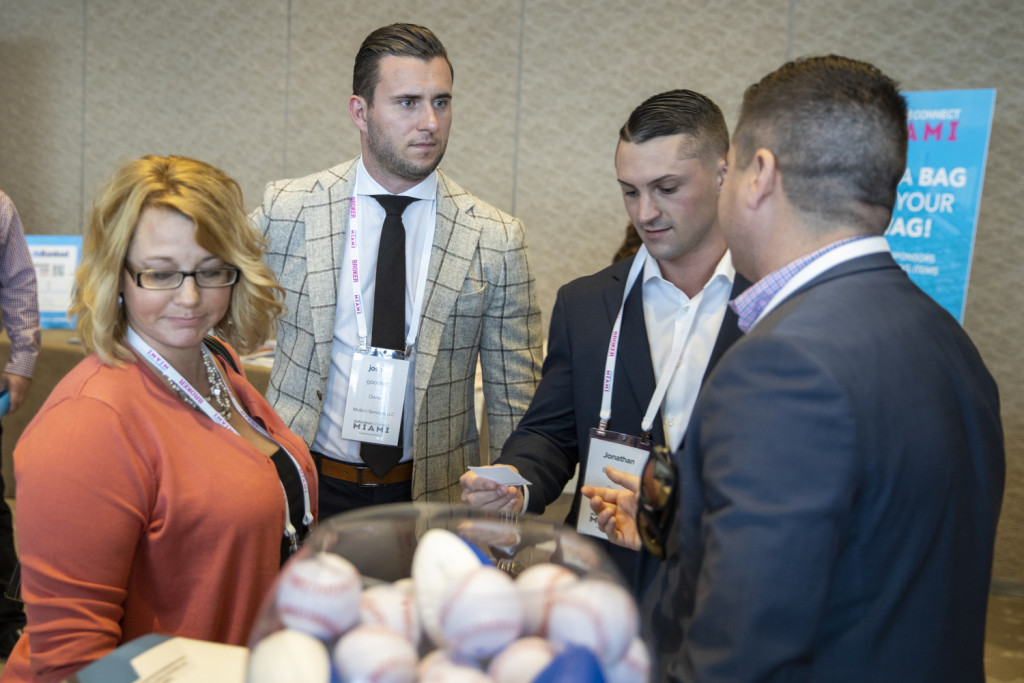
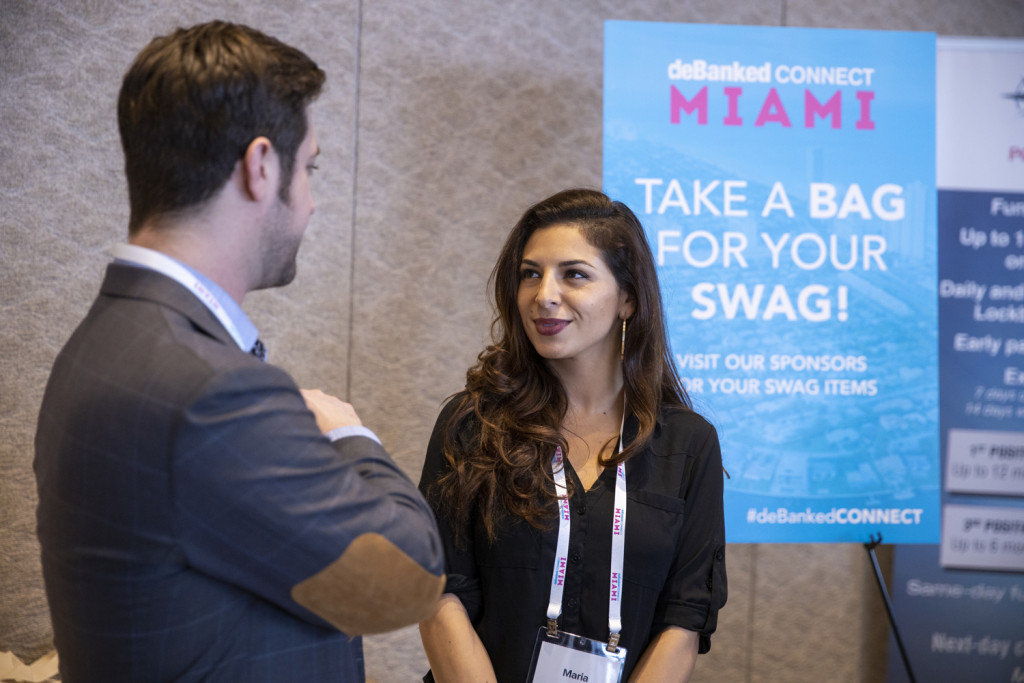
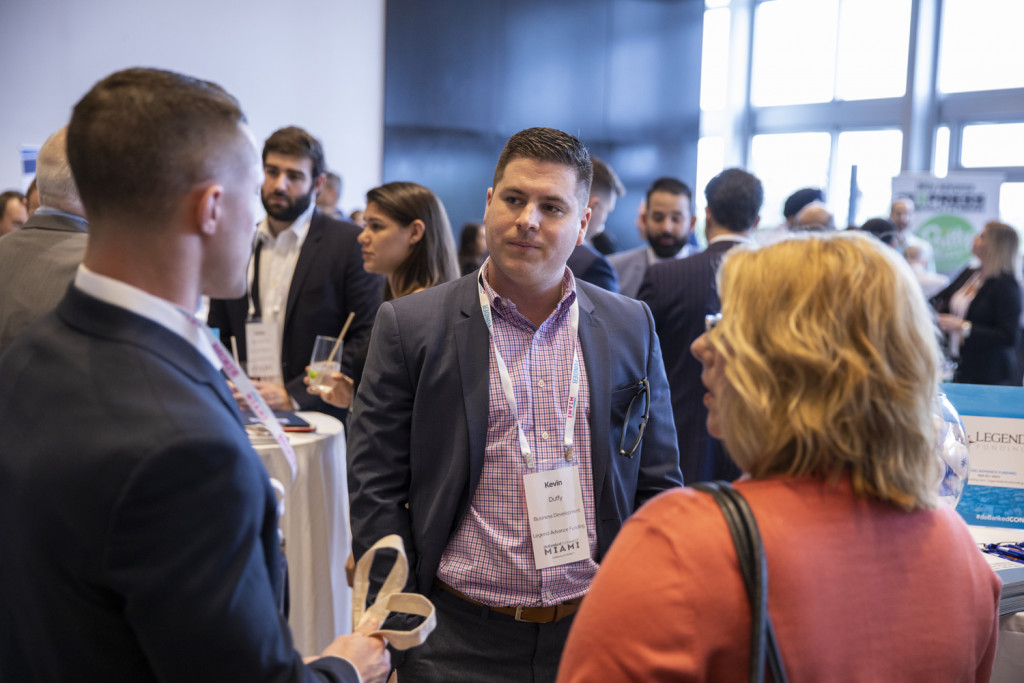
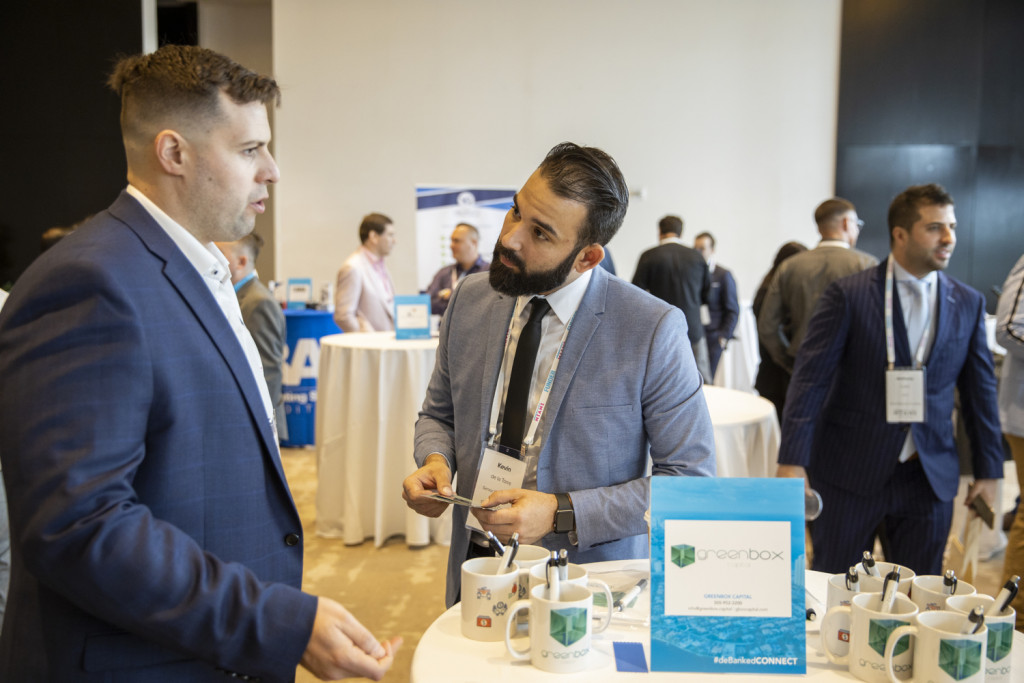
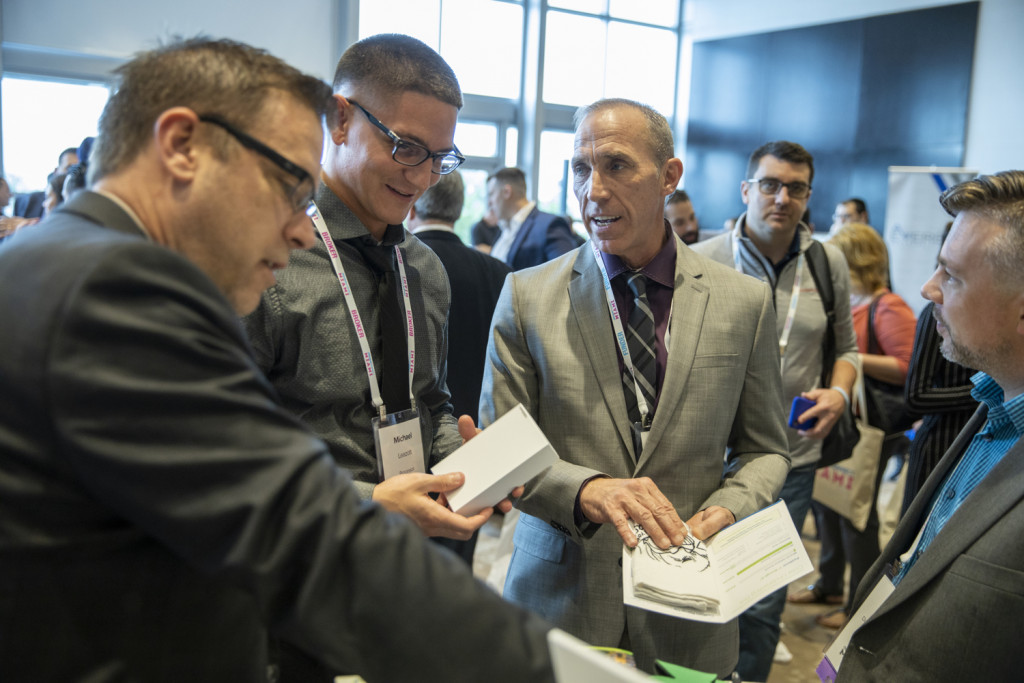
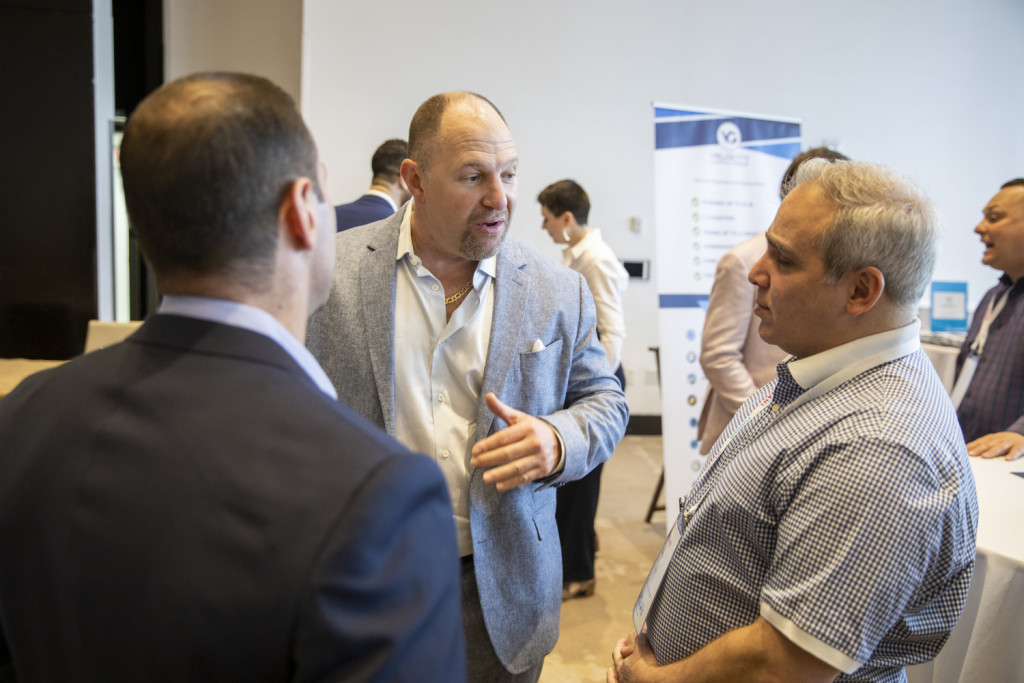
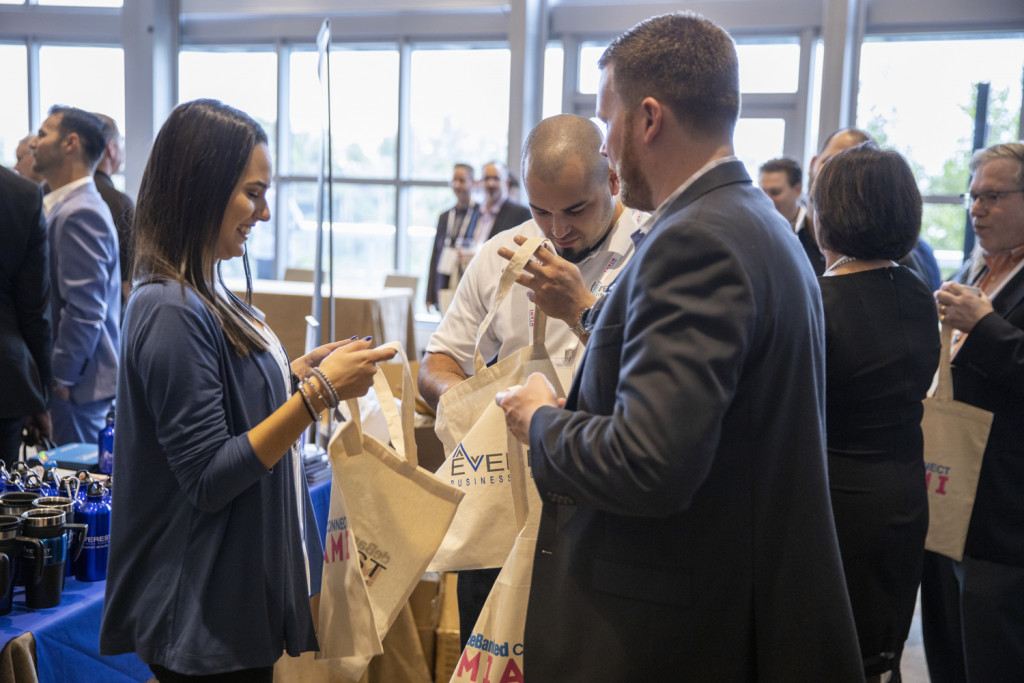
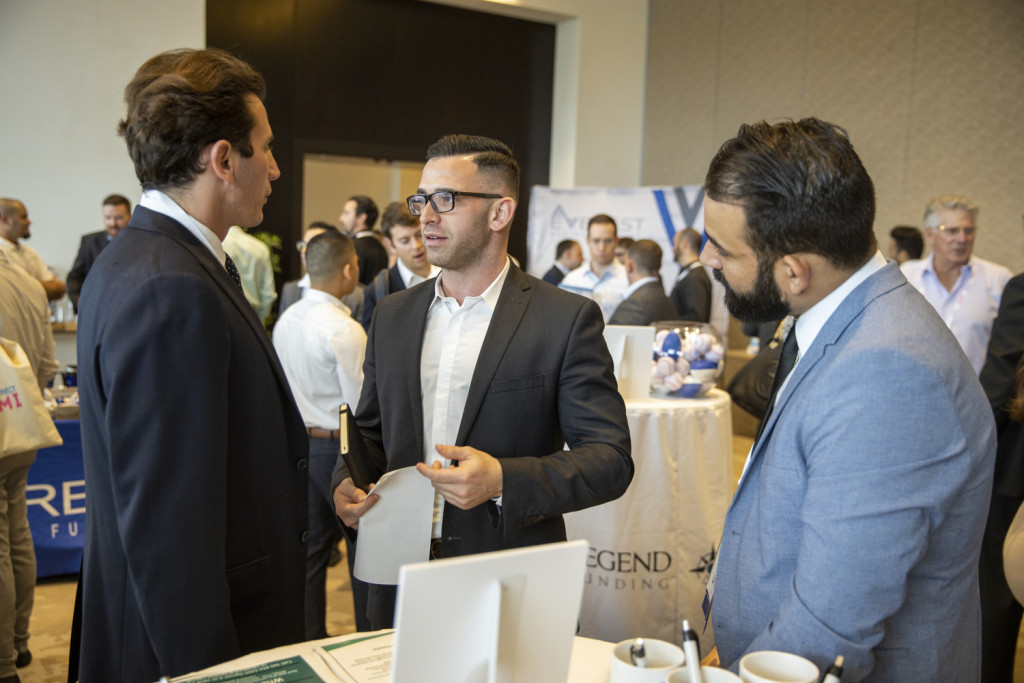
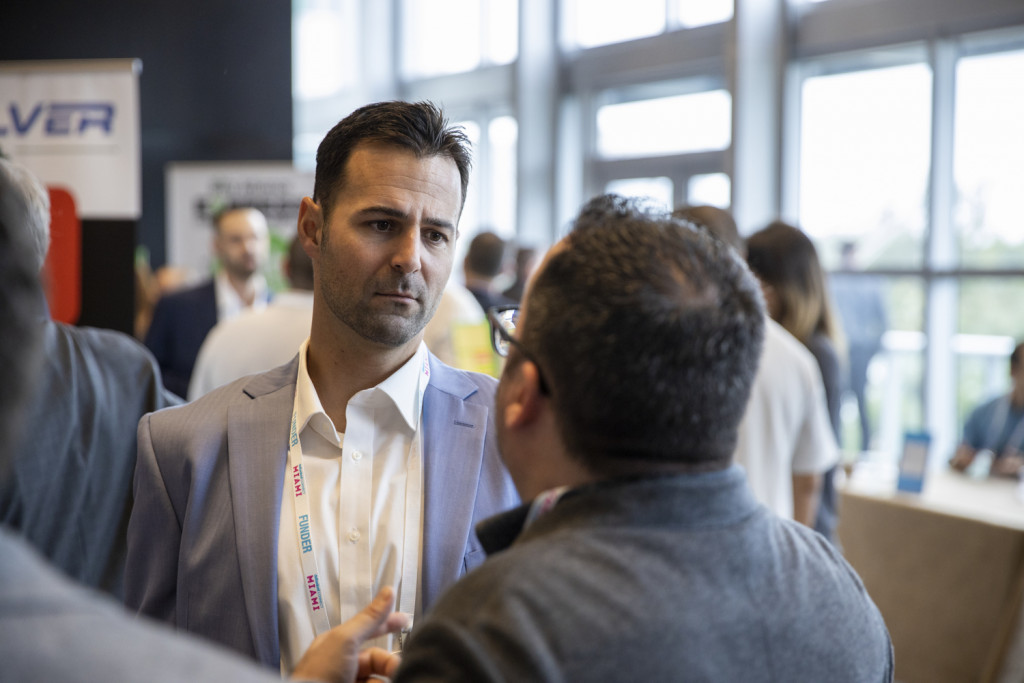
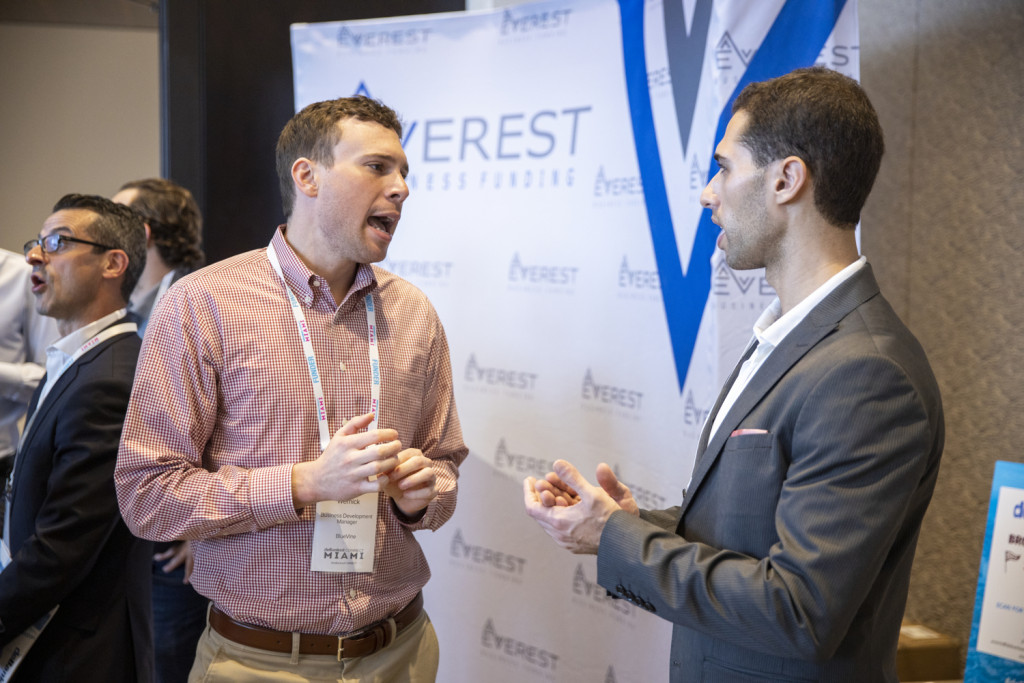
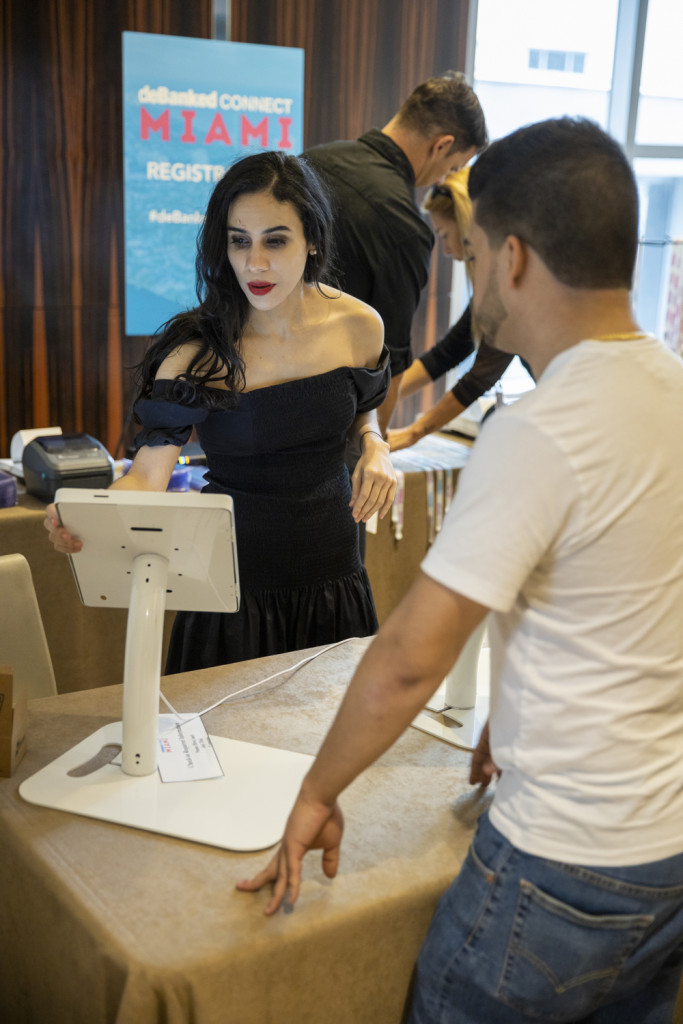
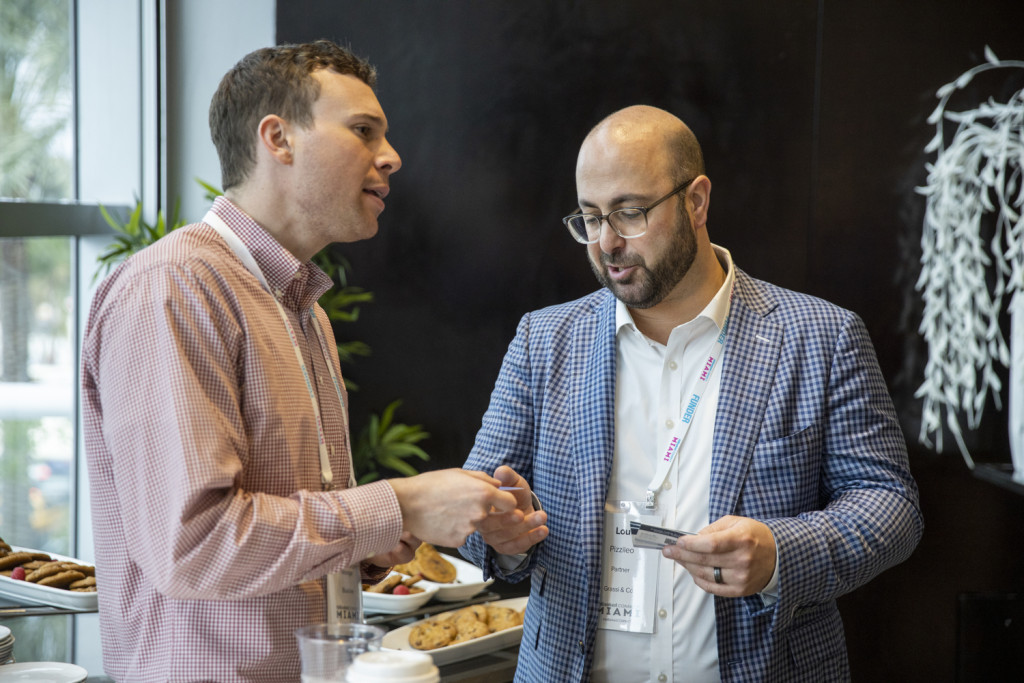
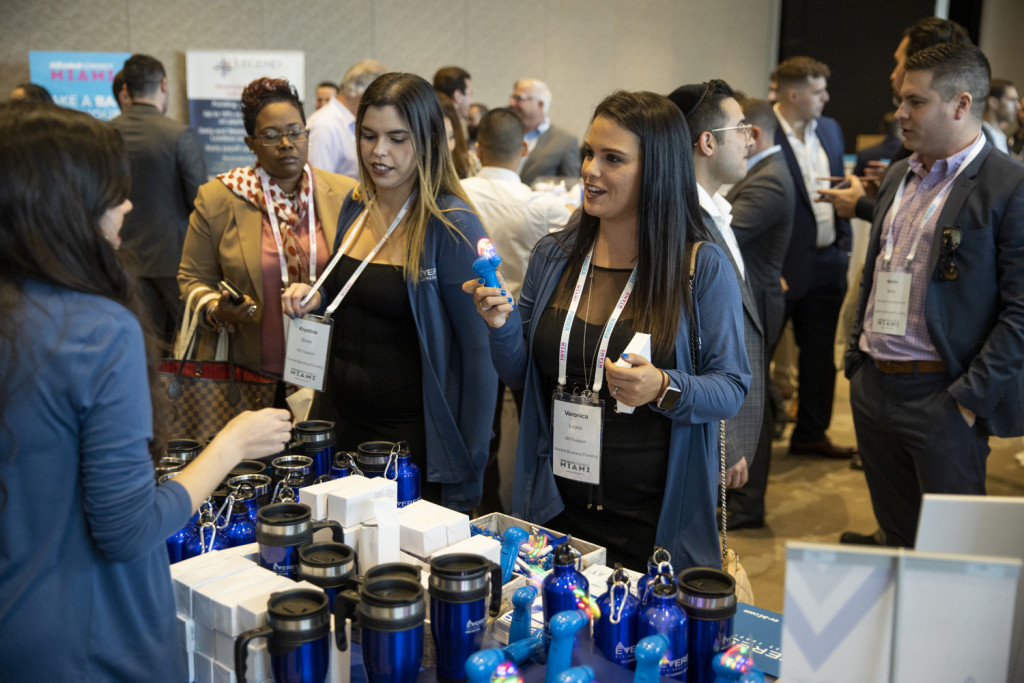
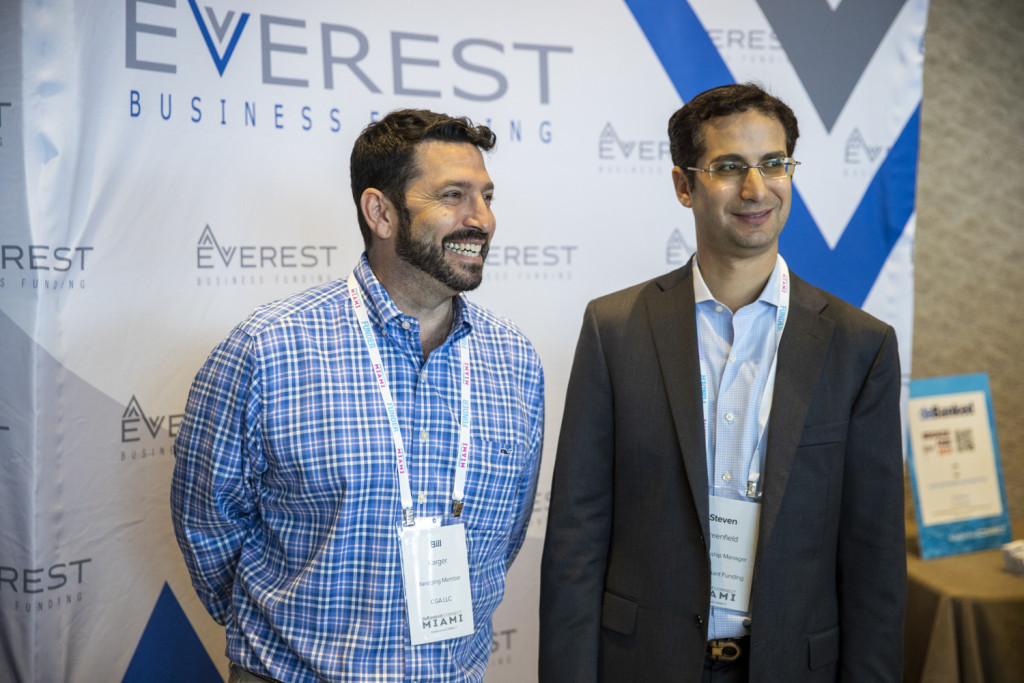
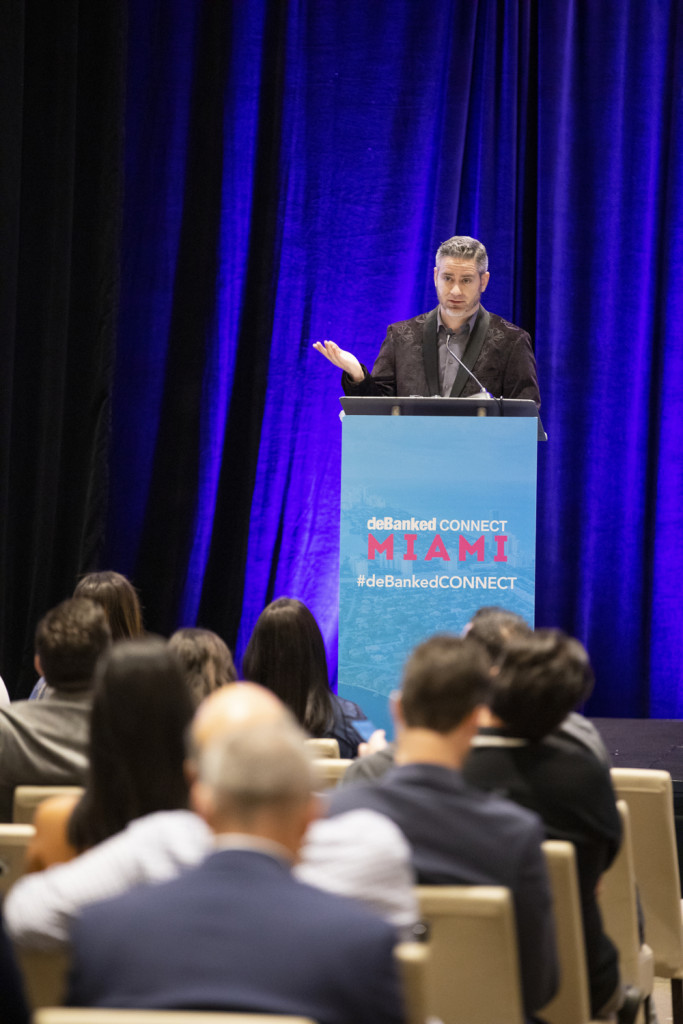
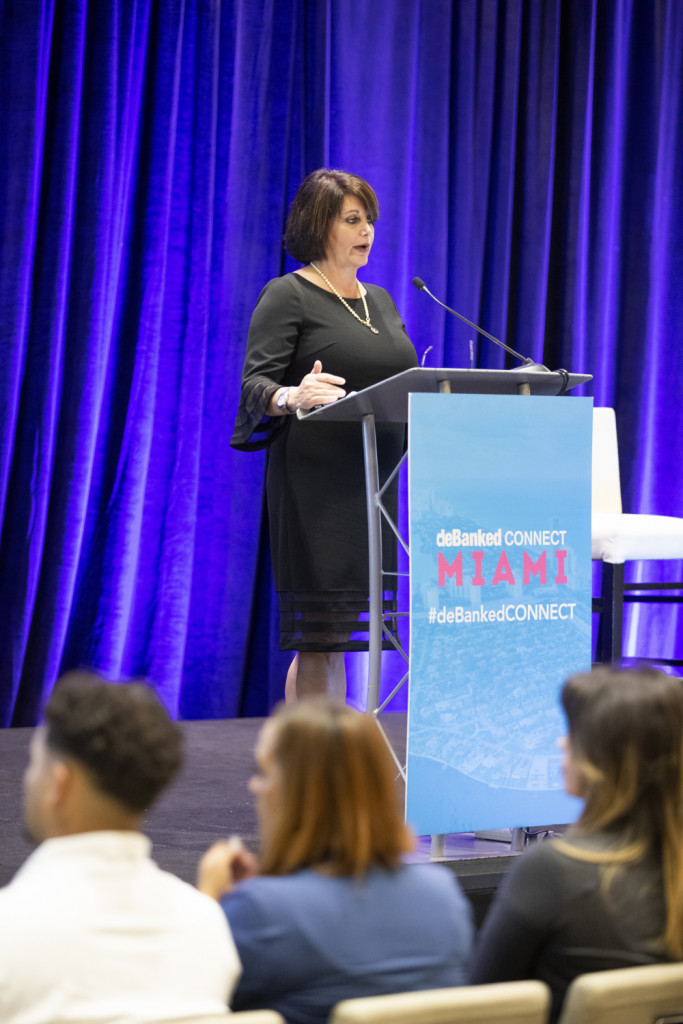
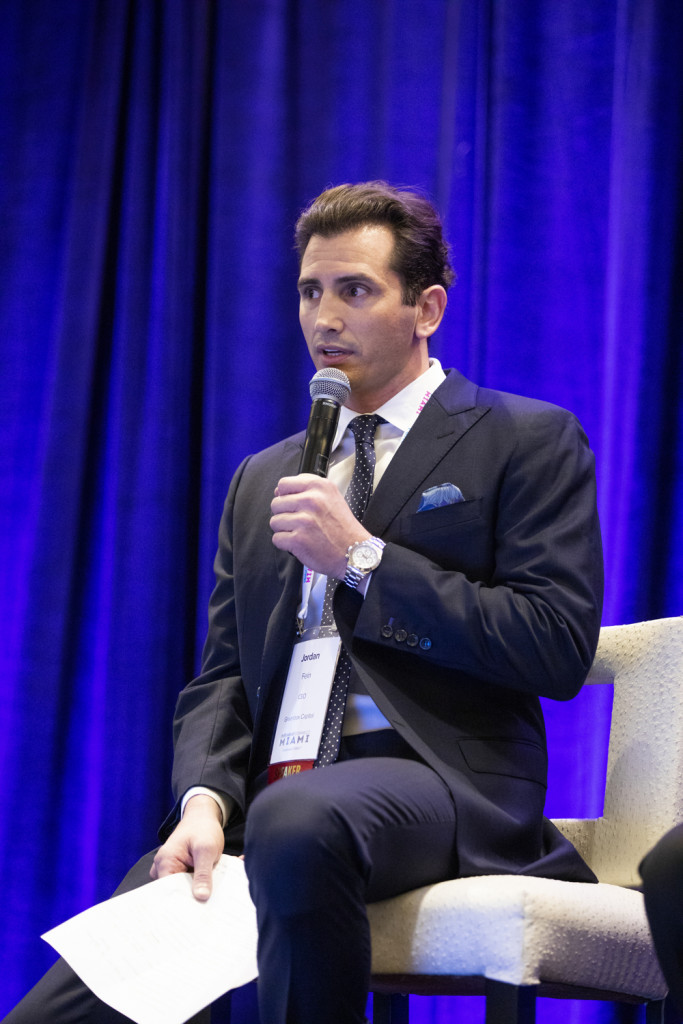
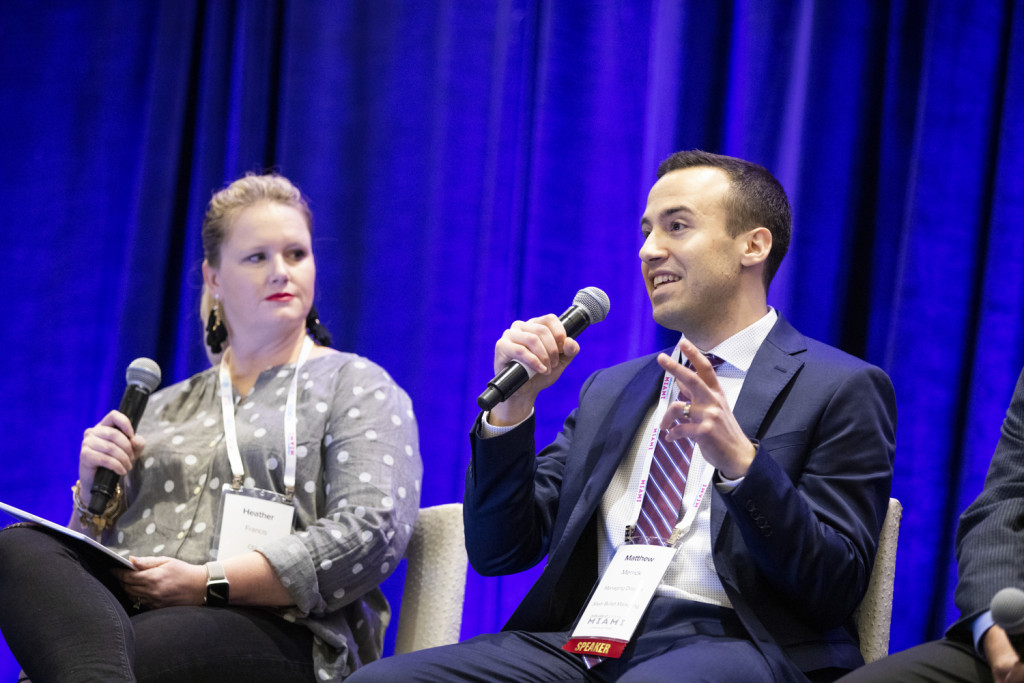
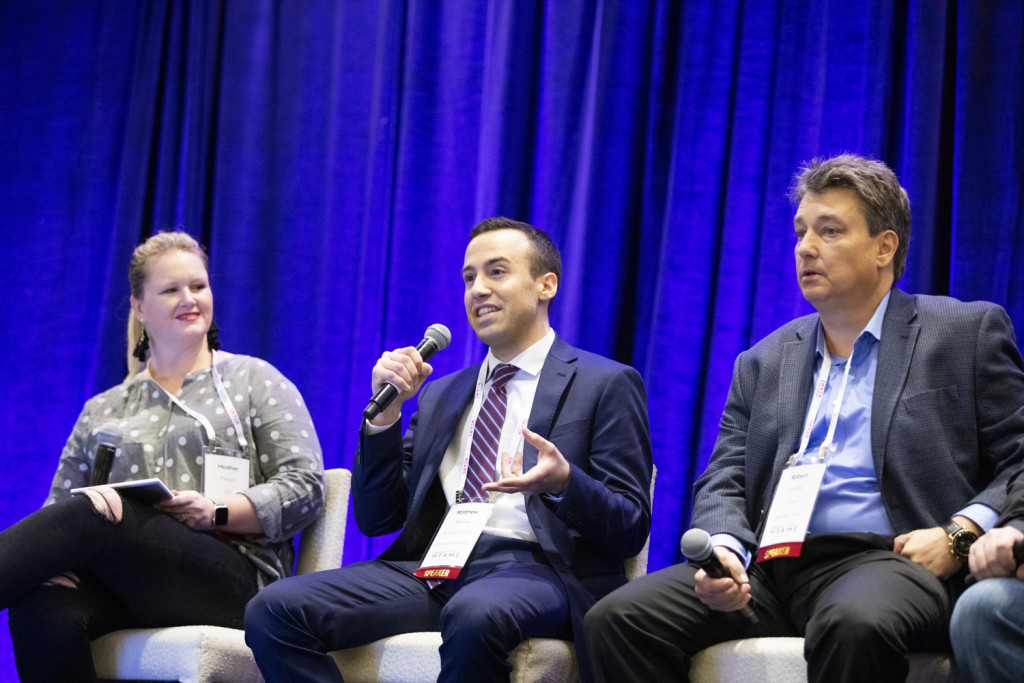
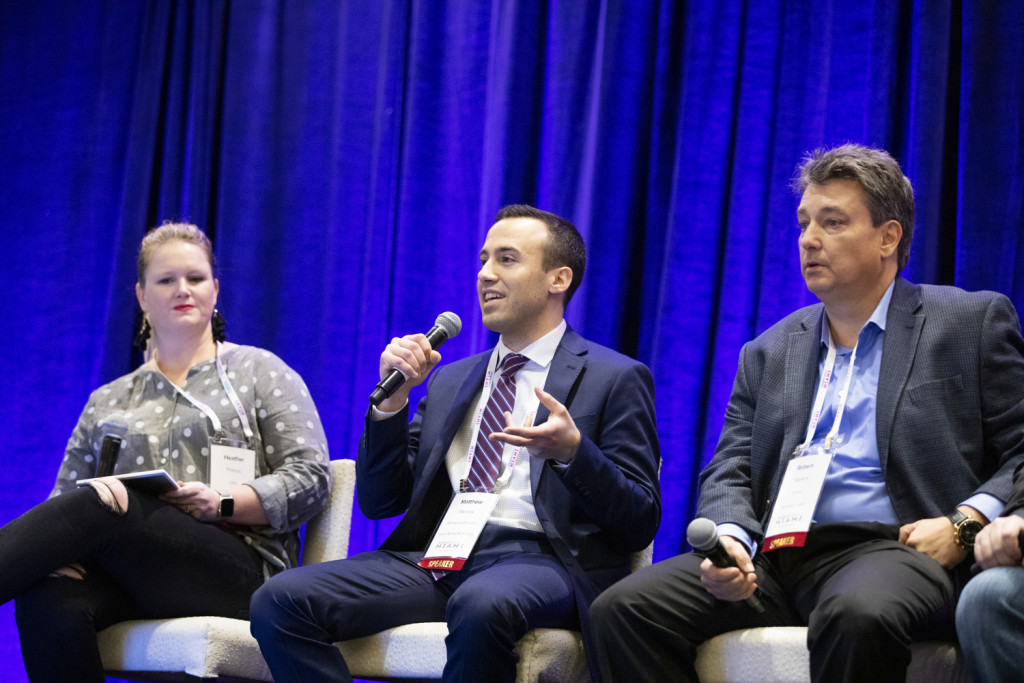
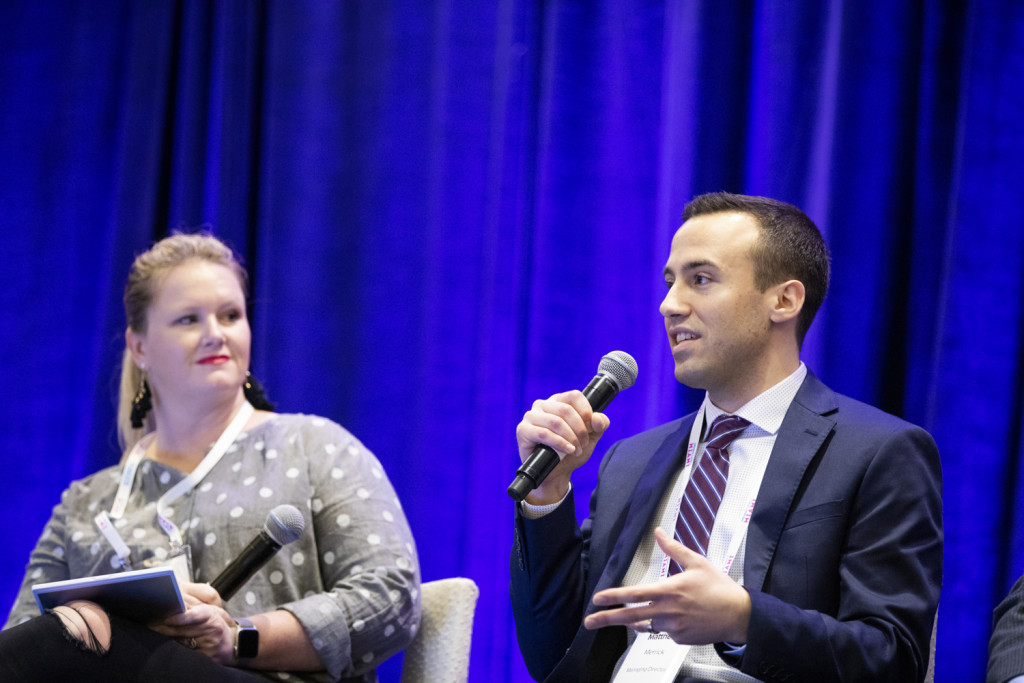
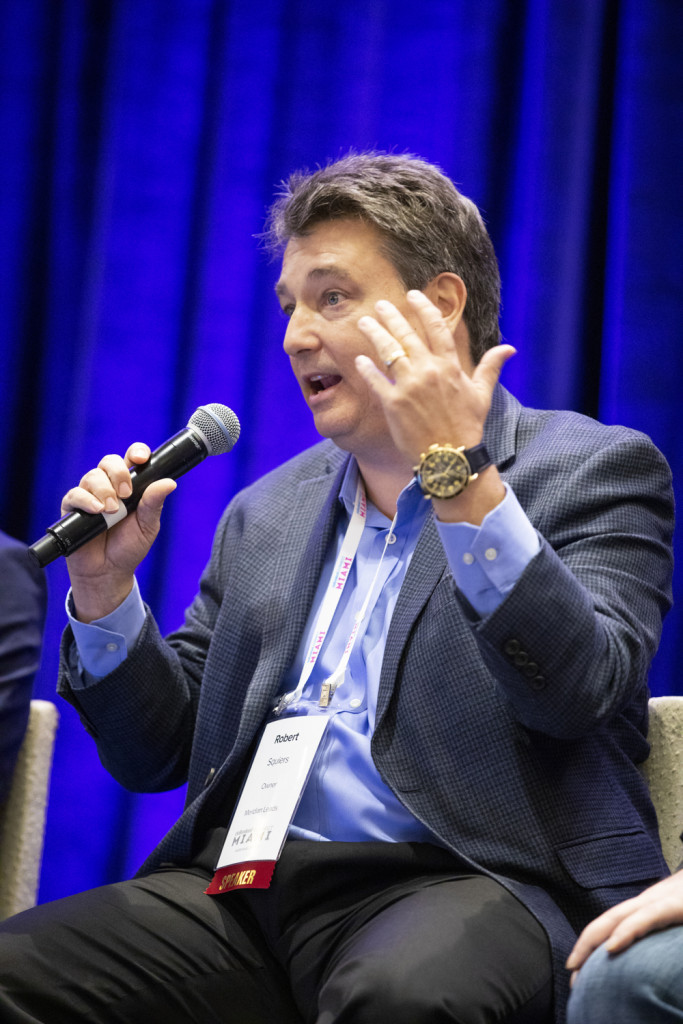
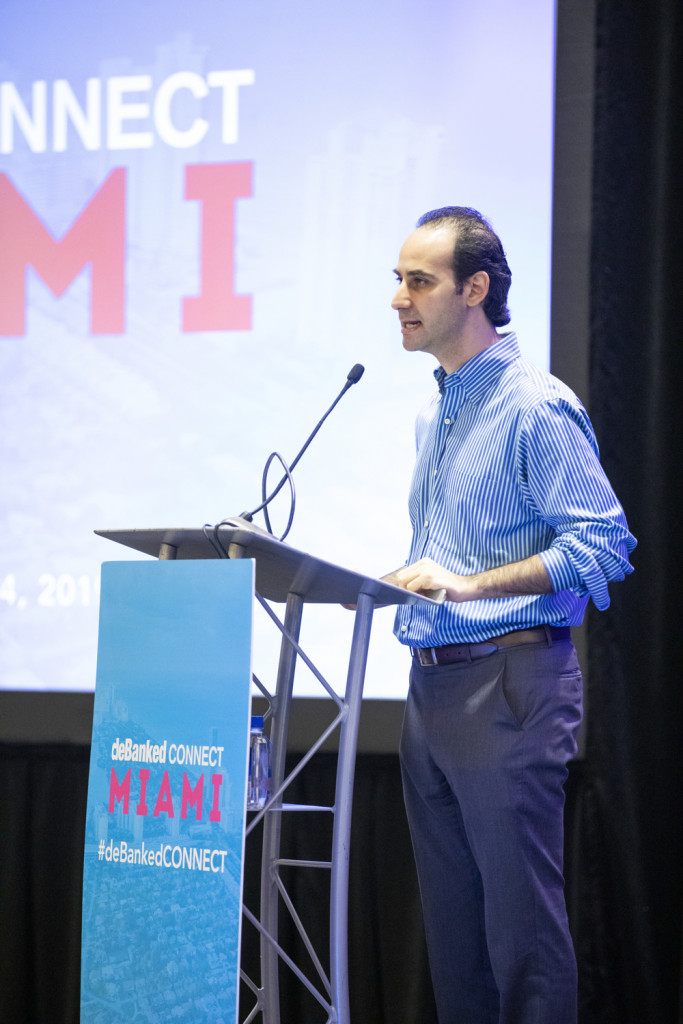
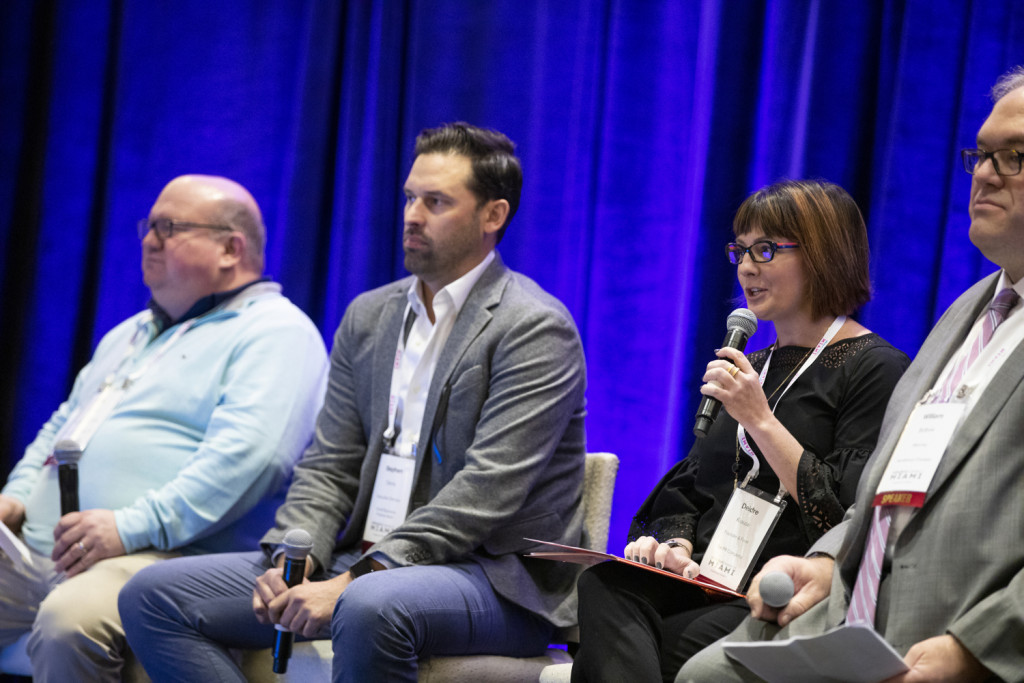
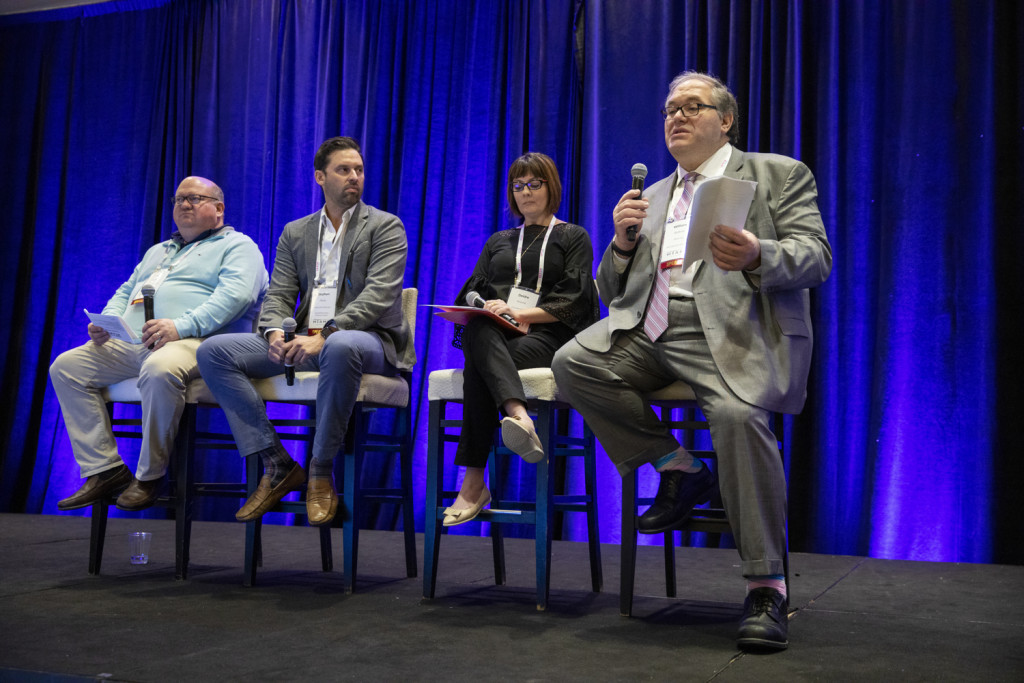
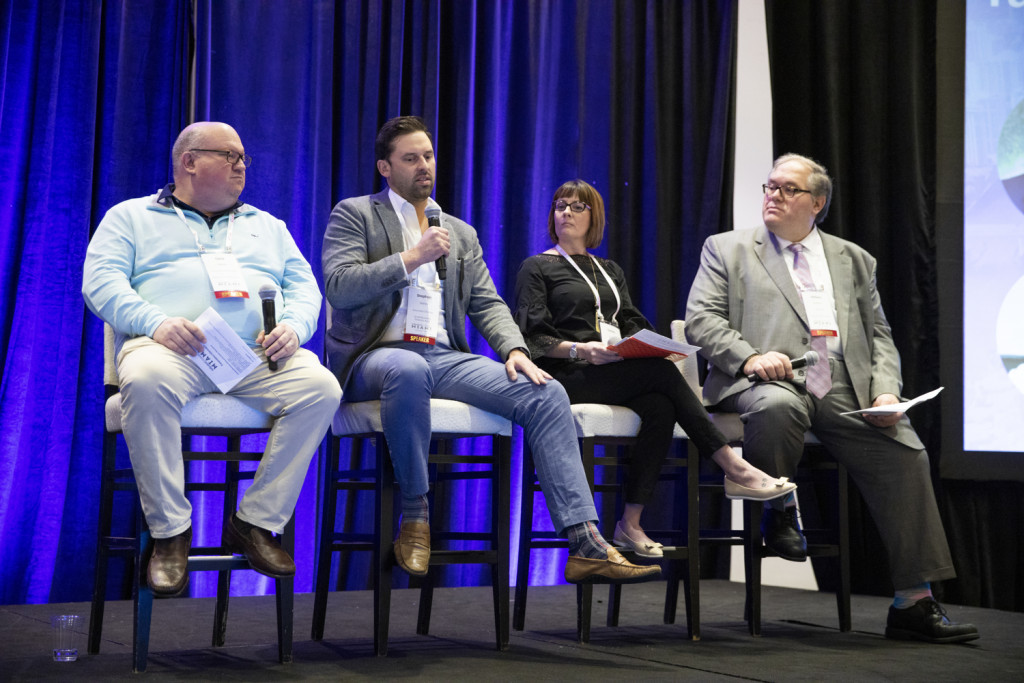
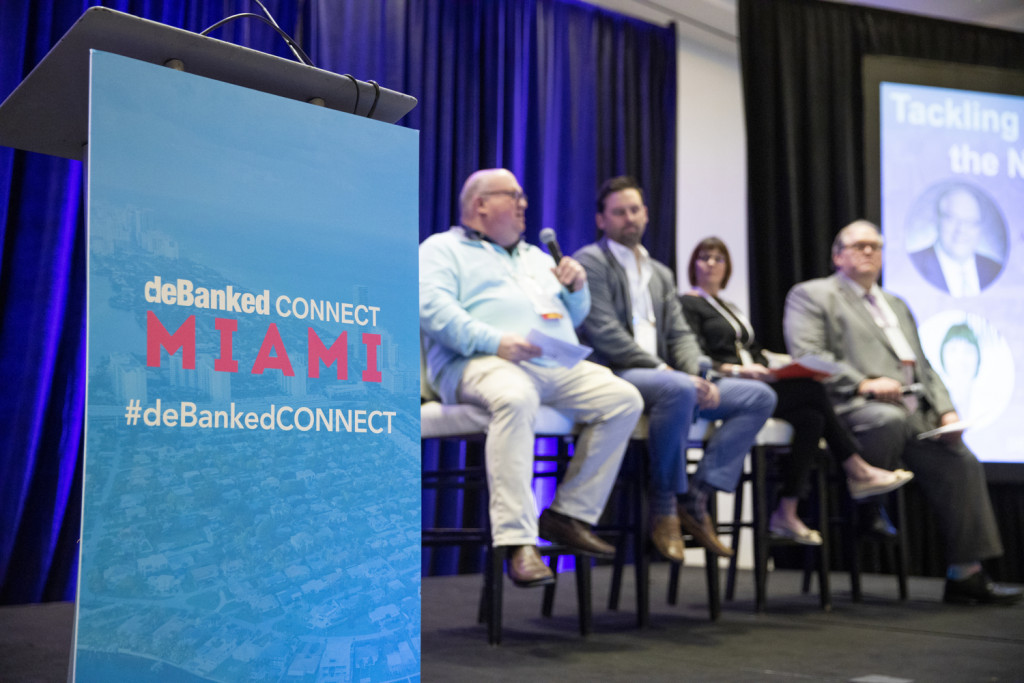
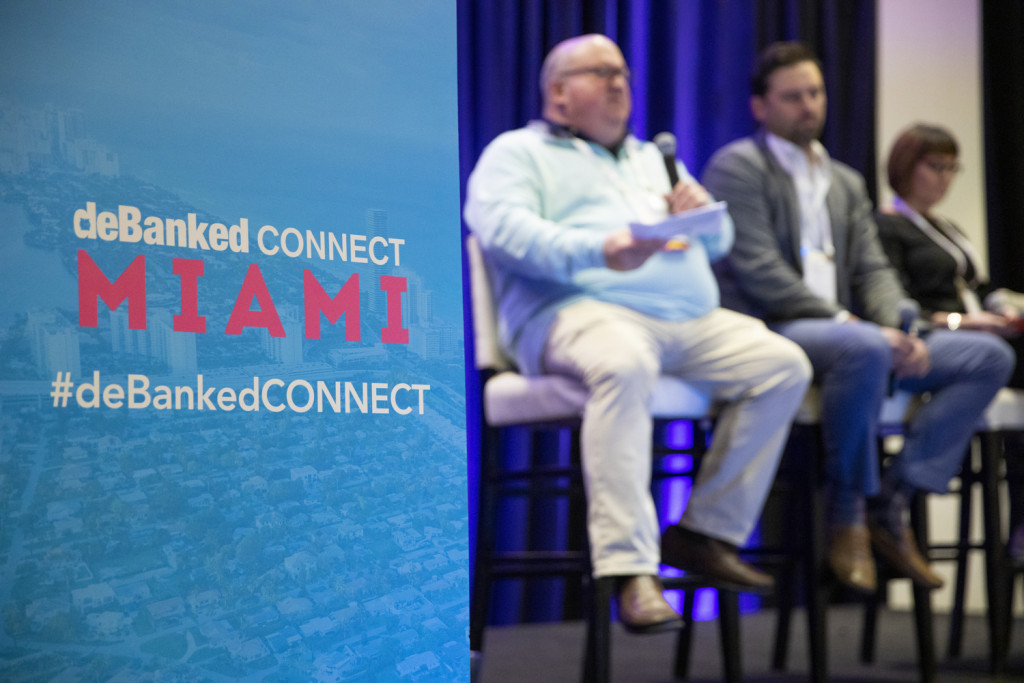
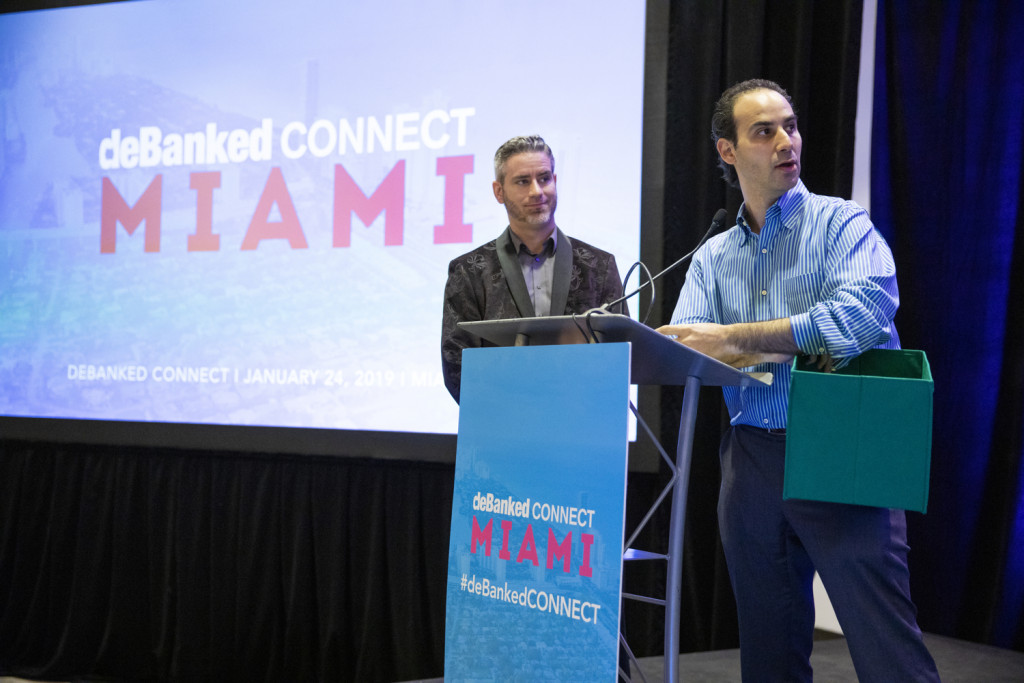
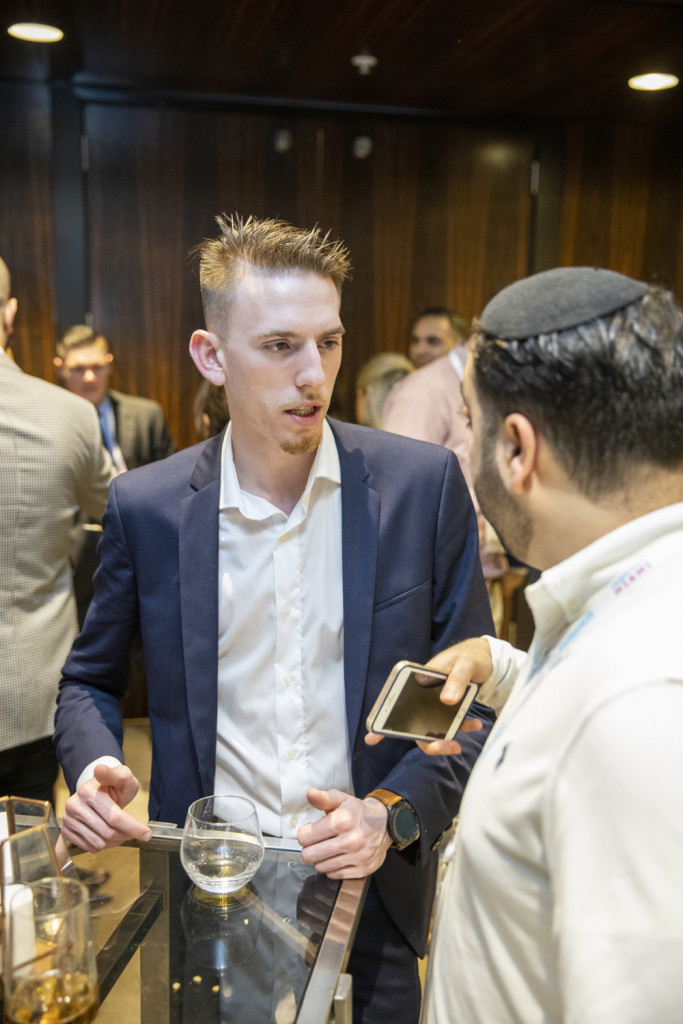
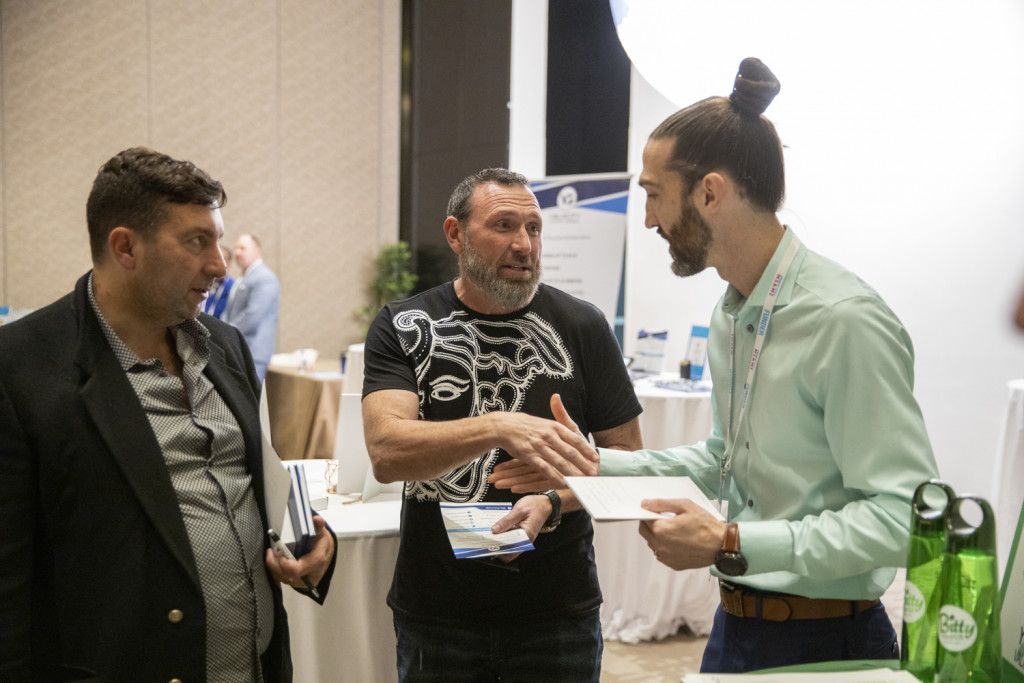
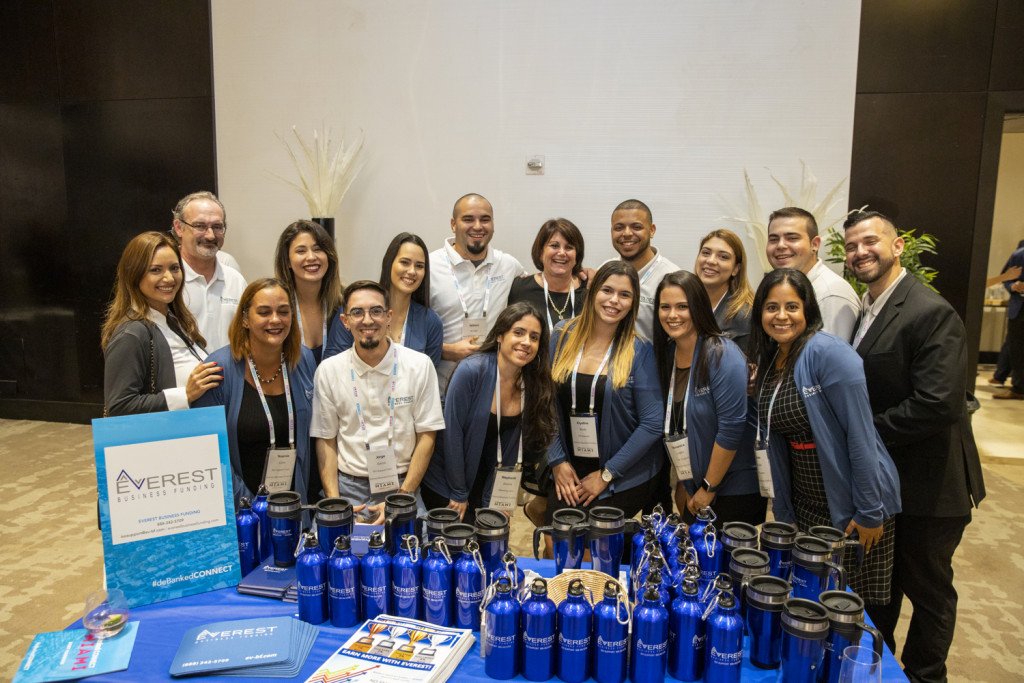
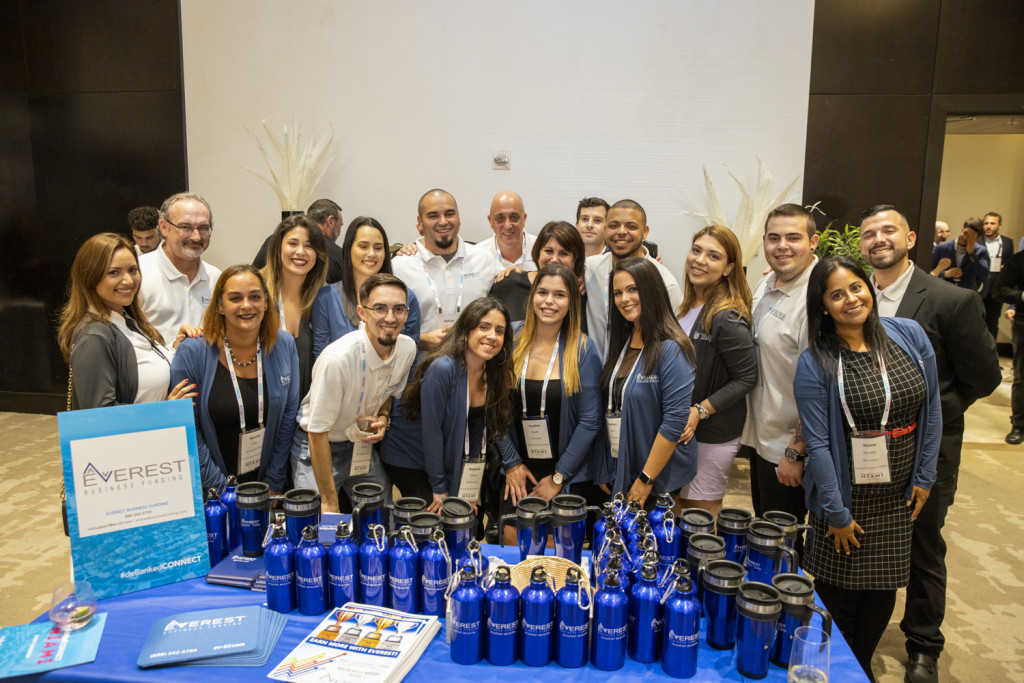
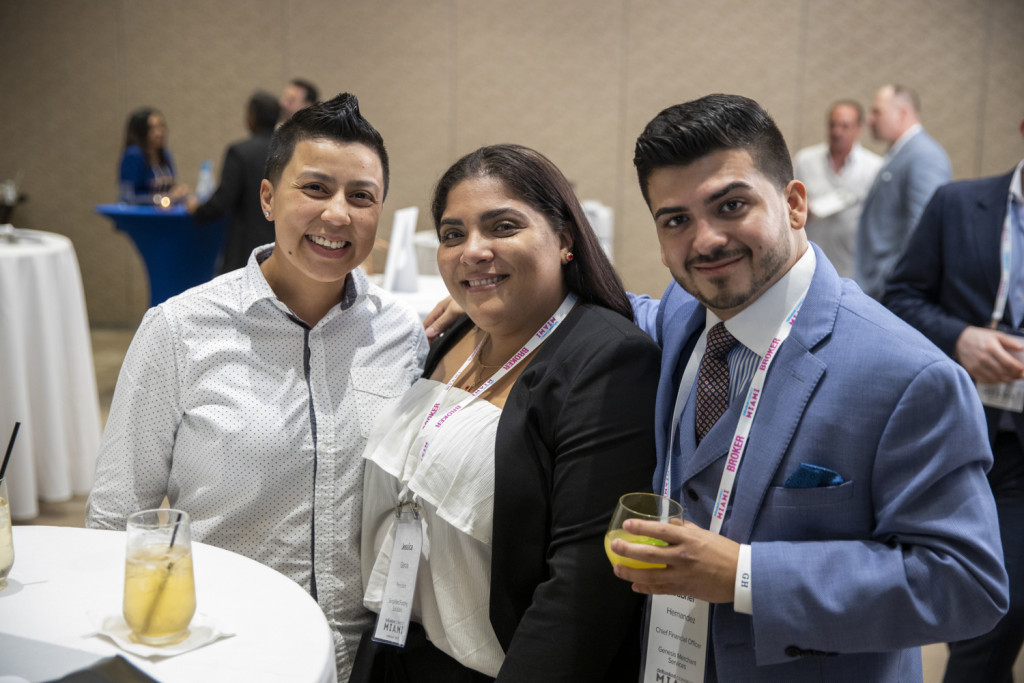
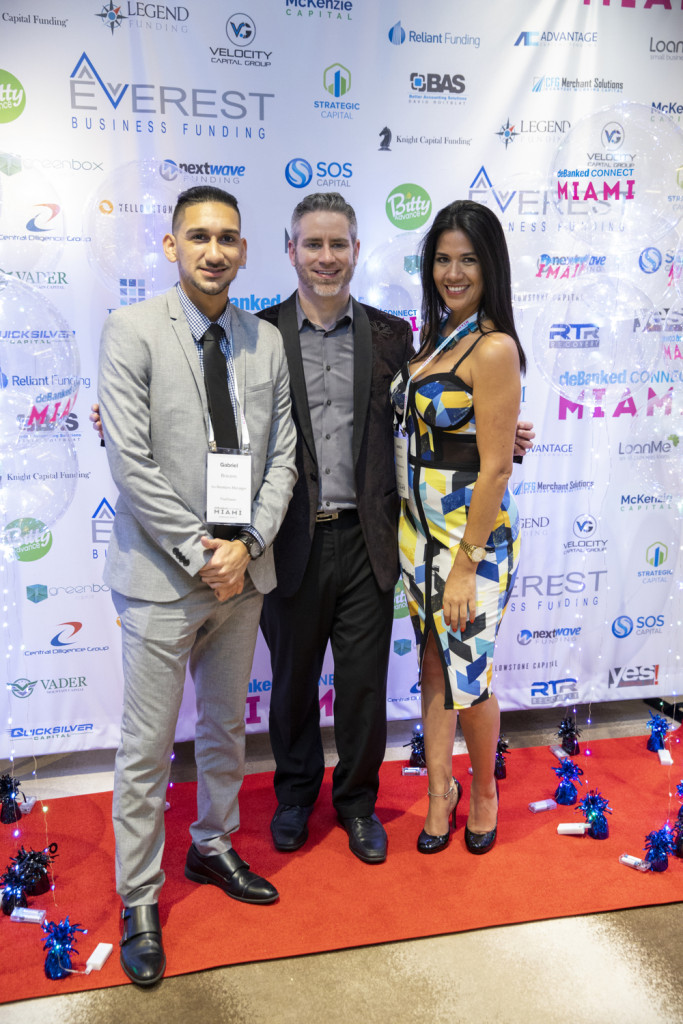
AltFinanceDaily CONNECT Miami 2019 Photos
January 28, 2019